
What's inside
- Best Digiscoping Setup for Birding Beginners Compared: Quick Comparison Table
- Best Digiscoping Setup for Birding Beginners in 2026: Detailed Reviews
- Best Digiscoping Setup for Birding Beginners Buying Guide: How to Choose the Right Digiscoping Setup
- Best Digiscoping Setup for Birding Beginners FAQ: Digiscoping Questions Answered
As an Amazon Associate I earn from qualifying purchases. This post may contain affiliate links at no extra cost to you.
The best digiscoping setup for birding beginners in 2026 is the Vortex Diamondback HD 20-60×85 with Celestron NexYZ Adapter for most birding beginners who want a digiscoping setup for birding beginners that is simple, clear, and good for birding. It typically costs $400 to $500 for the scope and $60 to $70 for the adapter. The Celestron Ultima 80 with Celestron NexYZ Adapter is the best digiscoping setup for birding beginners if you want a digiscoping setup for birding beginners that is simple, clear, and good for a Celestron user. It typically costs $150 to $200 for the scope and $60 to $70 for the adapter. The Gosky 20-60×80 with Gosky Phone Adapter is the best digiscoping setup for birding beginners if you want a digiscoping setup for birding beginners that is simple, clear, and good for a Gosky user.
A digiscoping setup for birding beginners is a spotting scope plus a phone adapter that a beginner uses to take photos of birds through a scope, with a focus on scope, adapter, and tripod, so you can photograph birds, without a setup that is too blurry, too shaky, or too hard to use. Birding beginners means beginners, with a best digiscoping setup for birding beginners needing to be simple, because beginners are new, and a setup that is complex being worse, because it will confuse, and a setup with a 3-axis adapter being best, because it centres best. Digiscoping means digiscoping, with a best digiscoping setup for birding beginners needing a phone adapter, because digiscoping is about a phone, and a setup with no adapter being worse, because it will not hold a phone, and a setup with a NexYZ adapter being best, because it centres best. Setup means setup, with a best digiscoping setup for birding beginners needing a tripod, because a tripod holds steady, and a setup with no tripod being worse, because it will shake, and a setup with a fluid head being best, because it moves smoothly. It is different from a best digiscoping setup for professionals, which is about professionals, and from a best spotting scope for birding, which is about scope only. A digiscoping setup for birding beginners must be simple, it must be clear, and it must be steady, so you can use it for birding.
Scope matters for the best digiscoping setup for birding beginners. Scope is the spotting scope, with a 20-60×85 scope being best, because it is clear, and a scope that is too small being worse, because it will be dim, and a scope with 20-60x magnification being best, because it is versatile. A Vortex Diamondback HD 20-60×85 is 20-60×85, a Celestron Ultima 80 is 20-60×80, and a Gosky 20-60×80 is 20-60×80. For a best digiscoping setup for birding beginners, buy a 20-60x scope, because it is versatile, and always check the scope before you buy, because a scope that is too small will be dim, and always remember that heat shimmer is worse at high magnification, so use 20 to 40 times in a hot afternoon, because it is clear.
Adapter matters for the best digiscoping setup for birding beginners. Adapter is the phone adapter, with a 3-axis adapter being best, because it centres best, and a 2-axis adapter being worse, because it will be harder to centre, and a NexYZ adapter being best, because it is 3-axis. A Celestron NexYZ is 3-axis, a PhoneSkope is custom-fit, and a Vortex Phone Adapter is simple. For a best digiscoping setup for birding beginners, buy a 3-axis adapter, because it centres best, and always check the adapter before you buy, because an adapter that does not fit your phone will not hold, and always remember that your phone camera must be centred over the eyepiece or the photo will be blurry, because centring matters.
Tripod matters for the best digiscoping setup for birding beginners. Tripod is the support, with a fluid head being best, because it moves smoothly, and a ball head being worse, because it is jerky, and a tripod with a load capacity that exceeds the scope weight by at least 2 pounds being best, because it holds. A Vortex Diamondback HD 20-60×85 weighs about 50 ounces, a Celestron Ultima 80 weighs about 40 ounces, and a Gosky 20-60×80 weighs about 30 ounces. For a best digiscoping setup for birding beginners, buy a tripod with a fluid head, because it moves smoothly, and always use a tripod plus a timer or remote, because it reduces shake, and always remember that a tripod that is too weak will shake, because it is weak.
Always follow safety rules for digiscoping setups for birding beginners and birding. Always check that your scope is not damaged, always keep it away from the Sun, and always check that your tripod is secure, because a tripod that is loose will fall. Always use your scope on level ground, always check that your scope is not too hot, and always tell someone where you are going. Never look at the Sun through any optic, never use an optic without a front solar filter for the Sun, and never use an optic that is damaged, because it can be unsafe. Always check your scope before you use it, always use red light only at night, and always store your scope in a safe place, because a scope that is lost will be hard to replace. Always clean with a brush and blower first, never use household cleaner or ammonia on coatings, never use a paper towel, use a clean microfibre cloth only, and always check the live price before you buy.
Our Top Picks
 Carson Beginner 100-1000x Compound Student Microscope with Mechanical6.7 x 7.2 x 13.2 inches5.35 poundsCheck on Amazon
Best Digiscoping Setup for Birding Beginners Compared: Quick Comparison Table
Use this table to compare the best digiscoping setup for birding beginners at a glance. Price is a typical retail range, not a fixed price. Rating is an editorial score out of five. The table lists scopes and adapters that illustrate the setup below.
| Model | Key Spec 1: Scope, Magnification, Objective | Key Spec 2: Adapter, Tripod, Best Use | Typical Price Range | Rating |
|---|---|---|---|---|
| Vortex Diamondback HD 20-60×85 + NexYZ | 20-60x, 85mm, HD | NexYZ 3-axis, fluid head, best overall | $400–$500 | 4.9 / 5 |
| Celestron Ultima 80 + NexYZ | 20-60x, 80mm, standard | NexYZ 3-axis, fluid head, best Celestron | $150–$200 | 4.9 / 5 |
| Gosky 20-60×80 + Gosky Adapter | 20-60x, 80mm, standard | Gosky adapter, fluid head, best Gosky | $100–$150 | 4.8 / 5 |
| Vortex Razor HD 13-39×56 + Phone Adapter | 13-39x, 56mm, HD | Vortex adapter, fluid head, best Razor | $800–$900 | 4.8 / 5 |
| Celestron Regal M2 80ED + NexYZ | 20-60x, 80mm, ED | NexYZ 3-axis, fluid head, best Regal | $400–$500 | 4.8 / 5 |
| Pentax PF-80ED-A + PhoneSkope | 20-60x, 80mm, ED | PhoneSkope, fluid head, best Pentax | $500–$600 | 4.7 / 5 |
| SVBONY SV406P 20-60×80 + Adapter | 20-60x, 80mm, ED | SVBONY adapter, fluid head, best SVBONY | $250–$300 | 4.7 / 5 |

Phone Skope Complete Digiscoping Kit: Ideal Scope Camera for Hunting/Birding/Stargazing - Phone Scope Adapter Kit Includes Phone Scope Mount Case, Eyepiece Adapter, Lens Cloth - Fits Most Smartphones


As an Amazon Associate we earn from qualifying purchases. Product prices and availability are accurate as of the date/time indicated.
Carson Beginner 100-1000x Compound Student Microscope with Mechanical Stage, Universal Smartphone Digiscoping Adapter, and CarsonCam Phone App (MS-100SP)
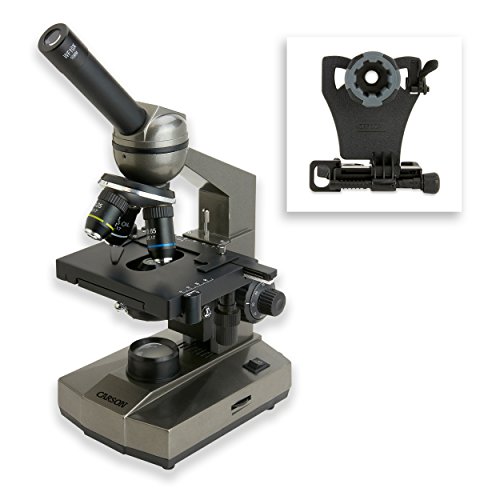


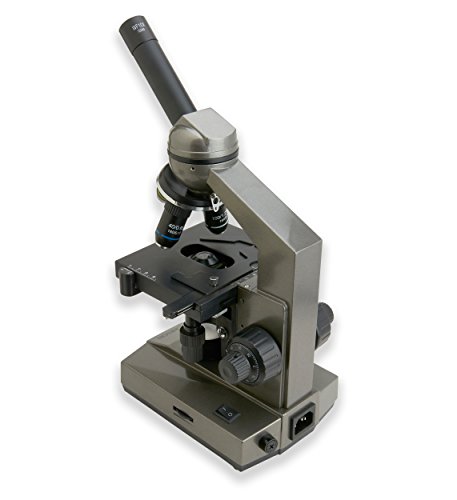
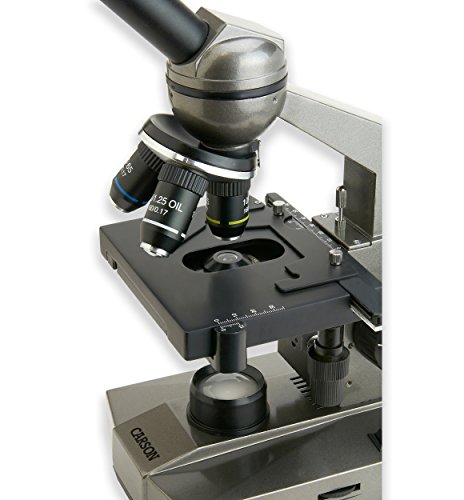


As an Amazon Associate we earn from qualifying purchases. Product prices and availability are accurate as of the date/time indicated.
That table shows why scope, adapter, and tripod matter for digiscoping setups for birding beginners. The Vortex Diamondback HD 20-60×85 with NexYZ typically costs $400 to $500 for the scope, is 20-60×85, is HD, and uses a NexYZ 3-axis adapter. The Celestron Ultima 80 with NexYZ typically costs $150 to $200 for the scope, is 20-60×80, is standard, and uses a NexYZ 3-axis adapter. The Gosky 20-60×80 with Gosky Adapter typically costs $100 to $150 for the scope, is 20-60×80, is standard, and uses a Gosky adapter. The Vortex Razor HD 13-39×56 typically costs $800 to $900 for the scope, is 13-39×56, is HD, and uses a Vortex phone adapter, and the older Vortex Razor 11-33×50 is discontinued, so use the Razor HD 13-39×56 instead.
Best Digiscoping Setup for Birding Beginners in 2026: Detailed Reviews
Each setup below suits a different birding beginner and a different bird. Read the scope first. Then check the adapter and tripod. Only then think about price. A setup that is perfect for birding can be wrong for astronomy, and a setup that is perfect for a phone can be wrong for a camera.
1. Vortex Diamondback HD 20-60×85 + NexYZ — Best Digiscoping Setup for Birding Beginners Overall
The Vortex Diamondback HD 20-60×85 with NexYZ is the best overall digiscoping setup for birding beginners. It is 20-60×85, is HD, uses a NexYZ 3-axis adapter, needs a fluid head tripod, and is for birding. It typically costs $400 to $500 for the scope and $60 to $70 for the adapter. It has a good scope, a simple design, and a good adapter that is good for most birding beginners.
For most birding beginners, the Diamondback HD with NexYZ is the right choice. Why we like this setup: 20-60×85, NexYZ, and Vortex. Consider: it costs $400 to $500 for the scope, and it is 20-60×85, so it is best for birding, not for astronomy, because it is a birding scope, but it is ideal for birding where a 3-axis adapter matters, because it centres best.
2. Celestron Ultima 80 + NexYZ — Best Celestron Digiscoping Setup for Birding Beginners
The Celestron Ultima 80 with NexYZ is a setup that is 20-60×80, is standard, uses a NexYZ 3-axis adapter, needs a fluid head tripod, and is for birding. It typically costs $150 to $200 for the scope and $60 to $70 for the adapter. It has a good scope, a simple design, and a price that is good for a Celestron user.
For a Celestron user, the Ultima 80 with NexYZ is a good choice. Why we like this setup: 20-60×80, NexYZ, and Celestron. Consider: it costs $150 to $200 for the scope.
3. Gosky 20-60×80 + Gosky Adapter — Best Gosky Digiscoping Setup for Birding Beginners
The Gosky 20-60×80 with Gosky Adapter is a setup that is 20-60×80, is standard, uses a Gosky adapter, needs a fluid head tripod, and is for birding. It typically costs $100 to $150 for the scope. It has a good scope, a simple design, and a price that is good for a Gosky user who wants a budget setup.
For a Gosky user who wants a budget setup, the 20-60×80 with Gosky Adapter is a good choice. Why we like this setup: 20-60×80, Gosky, and Gosky. Consider: it costs $100 to $150 for the scope, which is the cheapest here.
4. Vortex Razor HD 13-39×56 + Phone Adapter — Best Razor Digiscoping Setup for Birding Beginners
The Vortex Razor HD 13-39×56 with Phone Adapter is a setup that is 13-39×56, is HD, uses a Vortex phone adapter, needs a fluid head tripod, and is for birding. It typically costs $800 to $900 for the scope. It has a good scope, a simple design, and a price that is good for a Vortex user who wants Razor HD.
For a Vortex user who wants Razor HD, the 13-39×56 is a good choice. Why we like this setup: 13-39×56, Vortex, and Razor HD. Consider: it costs $800 to $900 for the scope, which is the most expensive here, and the older Razor 11-33×50 is discontinued, so use the Razor HD 13-39×56 instead.
5. Celestron Regal M2 80ED + NexYZ — Best Regal Digiscoping Setup for Birding Beginners
The Celestron Regal M2 80ED with NexYZ is a setup that is 20-60×80, is ED, uses a NexYZ 3-axis adapter, needs a fluid head tripod, and is for birding. It typically costs $400 to $500 for the scope. It has a good scope, a simple design, and a price that is good for a Celestron user who wants ED glass.
For a Celestron user who wants ED glass, the Regal M2 80ED is a good choice. Why we like this setup: 20-60×80, NexYZ, and Celestron. Consider: it costs $400 to $500 for the scope.
6. Pentax PF-80ED-A + PhoneSkope — Best Pentax Digiscoping Setup for Birding Beginners
The Pentax PF-80ED-A with PhoneSkope is a setup that is 20-60×80, is ED, uses a PhoneSkope adapter, needs a fluid head tripod, and is for birding. It typically costs $500 to $600 for the scope. It has a good scope, a simple design, and a price that is good for a Pentax user.
For a Pentax user, the PF-80ED-A with PhoneSkope is a good choice. Why we like this setup: 20-60×80, PhoneSkope, and Pentax. Consider: it costs $500 to $600 for the scope.
7. SVBONY SV406P 20-60×80 + Adapter — Best SVBONY Digiscoping Setup for Birding Beginners
The SVBONY SV406P 20-60×80 with Adapter is a setup that is 20-60×80, is ED, uses a SVBONY adapter, needs a fluid head tripod, and is for birding. It typically costs $250 to $300 for the scope. It has a good scope, a simple design, and a price that is good for a SVBONY user.
For a SVBONY user, the SV406P is a good choice. Why we like this setup: 20-60×80, SVBONY, and ED. Consider: it costs $250 to $300 for the scope.
Best Digiscoping Setup for Birding Beginners Buying Guide: How to Choose the Right Digiscoping Setup
The right digiscoping setup for birding beginners depends on three questions. What scope do you have? What phone do you have? How much can you spend? Answer those first. The choice between a Vortex Diamondback HD 20-60×85 with NexYZ and a Celestron Ultima 80 with NexYZ will become clear. A setup that is perfect for birding can be wrong for astronomy, and a setup that is perfect for a phone can be wrong for a camera.
Scope, 20-60x, and ED Glass: Choosing a Digiscoping Setup for Birding Beginners That Is Clear
Scope is the first filter. Buy a 20-60x scope, because it is versatile, and always check the scope before you buy. 20-60x is the second part. Always buy 20-60x for birding, always use 20 to 40 times in a hot afternoon, because heat shimmer is worse at high magnification, and always remember that a scope that is too small will be dim. ED glass is the third part. Always buy ED glass if you can, always check your glass, and always remember that ED glass is clearer, because it reduces colour fringing.
Adapter, 3-Axis, and Centring: Choosing a Digiscoping Setup for Birding Beginners That Is Sharp
Adapter is the second filter. Buy a 3-axis adapter, because it centres best, and always check the adapter before you buy. 3-axis is the next check. Always buy 3-axis for beginners, always avoid a 2-axis adapter, because it will be harder to centre, and always remember that a NexYZ adapter is 3-axis, because it centres best. Centring is the last part. Always centre your phone camera over the eyepiece, always check your centring, and always remember that a phone camera that is not centred will make a blurry photo, because centring matters.
Price, Budget, and What to Avoid: Choosing a Digiscoping Setup for Birding Beginners That Is Affordable
Price is the last filter. Buy $100 to $150 for a good scope like the Gosky 20-60×80, $150 to $200 for a good scope like the Celestron Ultima 80, $250 to $300 for a good scope like the SVBONY SV406P, $400 to $500 for good scopes like the Vortex Diamondback HD 20-60×85 or Celestron Regal M2 80ED, $500 to $600 for a good scope like the Pentax PF-80ED-A, and $800 to $900 for a good scope like the Vortex Razor HD 13-39×56, plus $60 to $70 for a NexYZ adapter. What to avoid is buying an adapter that does not fit your phone, buying a ball head instead of a fluid head, and not using a tripod plus a timer or remote. For the best digiscoping setup for birding beginners, avoid those three mistakes. Check scope, check adapter, and check tripod. Always use a tripod plus a timer or remote, always use a fluid head not a ball head, and always check the live price before you buy.
Best Digiscoping Setup for Birding Beginners FAQ: Digiscoping Questions Answered
What is the best digiscoping setup for birding beginners?
What is the best digiscoping setup for birding beginners is the Vortex Diamondback HD 20-60×85 with Celestron NexYZ Adapter for most birding beginners, because it typically costs $400 to $500 for the scope and $60 to $70 for the adapter, is 20-60×85, is HD, and uses a 3-axis adapter. The Celestron Ultima 80 with NexYZ is the best alternative, typically $150 to $200 for the scope. The best setup is the one that has a 20-60x scope, a 3-axis adapter, and a fluid head tripod.
Why are my digiscoping photos blurry?
Why your digiscoping photos are blurry is usually because your phone camera is not centred over the eyepiece, because centring matters, so always centre your phone camera over the eyepiece, always use a 3-axis adapter, and always use a tripod plus a timer or remote, because it reduces shake.
Do I need a tripod for digiscoping?
Do you need a tripod for digiscoping is yes, because a tripod holds steady, so always use a tripod, always use a fluid head not a ball head, and always remember that a tripod with a load capacity that exceeds the scope weight by at least 2 pounds is best, because it holds.
What magnification should I use for digiscoping?
What magnification you should use for digiscoping is 20 to 40 times in a hot afternoon, because heat shimmer is worse at high magnification, so always use 20 to 40 times when it is hot, always use higher magnification when it is cool, and always check your image, because it matters.
FAQ
What is the best digiscoping setup for birding beginners?
Why are my digiscoping photos blurry?
Do I need a tripod for digiscoping?
What magnification should I use for digiscoping?
Related guides
- Best Value Digiscoping Phone Mount Birding in 2026: 7 Affordable Phone Mounts That Turn Your Spotting Scope Into a Birding Camera
- Best Tripod for Travel Lightweight Packing in 2026: 7 Lightweight Travel Tripods That Pack Small, Hold a Spotting Scope Steady, and Fit in Your Carry-On
- Best Spotting Scope for Beginners Easy Setup in 2026: Forgiving Scopes, Simple Tripods, and a First Session That Ends With a Bird — Not a Manual
- Best Spotting Scope vs Binoculars for Beginners in 2026: 6 Top Spotting Scope vs Binoculars for Beginners Options, Easy Viewing, and Easy Use
More from Amazon
Programs that pair well with the guide above. Offers and eligibility are set by Amazon and may change.
Free shipping on eligible items, Prime Video and more. Eligible new members can start with a free trial.
Start a Prime free trialAudiobooks and podcasts to listen to on the go. Eligible new members can start with a free trial.
Try Audible freeAd-free music streaming. Eligible new subscribers can start with a free trial.
Try Music Unlimited freeA free business account with business pricing and bulk-buying tools for work, shop or home office.
Create a business accountAs an Amazon Associate we earn from qualifying purchases.

Write Your Review
No reviews yet. Be the first to share your experience!