
What's inside
- Best Tripod for Telescope Steady Viewing by Telescope
- Quick Comparison: Best Tripod for Telescope Steady Viewing Models
- Detailed Reviews: Best Tripod for Telescope Steady Viewing Picks
- Buying Guide: Choosing the Best Tripod for Telescope Steady Viewing
- Frequently Asked Questions About the Best Tripod for Telescope Steady Viewing
As an Amazon Associate I earn from qualifying purchases. This post may contain affiliate links at no extra cost to you.
The best tripod for telescope steady viewing is the least glamorous purchase in astronomy and the one that decides whether the telescope you already own performs like the instrument it is. Every telescope owner knows the wobble: the planet centred beautifully, the focus touched, and the image swinging like a porch lantern for three full seconds while the moment — the shadow transit, the Cassini Division’s clean line, the double star’s split — waits for nobody. That wobble is rarely the telescope’s fault. It is the support confessing: legs too light for the load, a head asked to hold more than its stated class, joints extended to their trembling maximum, a mount doing geared work with photographic bones. A telescope magnifies everything, including the support’s behaviour, and at the powers astronomy uses, a tripod is not furniture beneath the instrument. It is the instrument’s foundation, its largest optical component, and the cheapest resolution upgrade in the entire hobby, because a steady modest telescope shows more than a shaking fine one, every night, on every object.
The comparison fields the real, currently sold supports across the ways astronomers actually mount a telescope. Celestron’s Heavy-Duty Alt-Azimuth class and Orion’s Paragon class are the dedicated telescope tripods in their makers’ stated designs, with alt-azimuth heads built into the proposition. Explore Scientific’s Twilight class and Sky-Watcher’s AZ5 class are complete alt-azimuth mount-and-tripod systems in their makers’ stated classes, the natural partners for refractors and small reflectors used visually. Manfrotto’s geared tripod class brings the photographic world’s heavy engineering to the eyepiece, and Oberwerk’s wooden TR3 class carries the binocular-astronomy tradition — wood’s celebrated vibration manners, in its maker’s stated construction — into telescope service. Prices are typical ranges rather than exact figures, and the honest reading of every row is its stated load capacity in its maker’s documents, treated by this guide’s rule: a telescope system should live at or below roughly half to two-thirds of the support’s stated maximum for visual steadiness, because a maker’s maximum describes what the support will hold up, and the astronomer is buying what it will hold still. Load capacity, height range, leg material and sections, head or mount arrangement, and weight are each maker’s specification for the current exact model and must be confirmed in that maker’s current documents, weighed against your own telescope’s total working weight — tube, mount where separate, diagonal, eyepiece, finder, dew shield, all of it, on a scale — before purchase.
One law precedes the table, and it is absolute enough to be called the Sun rule of supports: no viewing discipline matters more than the one that says a telescope is never pointed at or near the Sun without a proper, purpose-made solar filter fitted at the front of the instrument, exactly as its maker directs — never through an eyepiece filter, never by projection improvisation, never for a moment’s glance. Steady viewing is the guide’s subject; safe viewing is its precondition, and the two meet in the tripod’s own habits: a telescope on a steady support is a telescope whose position is deliberate, and deliberateness about where an instrument points is the whole of solar safety. With that law kept, the wobble is merely an engineering problem, and engineering problems — unlike the Sun — can be solved with money spent in the right order, which is the order this guide teaches.
Our Top Picks
Best Tripod for Telescope Steady Viewing by Telescope
The refractor and small reflector observer: complete alt-azimuth systems
For the visual observer with a refractor or a small reflector — the telescope classes that live on alt-azimuth mounts and reward a smooth, intuitive push — the Twilight and AZ5 classes are this table’s centre: complete systems in their makers’ stated designs, whose mount heads and tripods were specified for each other, with stated load classes that honestly contain the small telescope’s working weight. Their virtue for steady viewing is integration: no adapter archaeology, no head asked to improvise, and slow-motion or smooth-push behaviour in their makers’ stated arrangements that lets the observer track a planet without touching off the wobble at every correction. An observer whose telescope arrived on a trembling bundled support will find one of these rows the single largest improvement their astronomy has ever had, larger than any eyepiece, because it multiplies every eyepiece they already own.
The dedicated tripod route: Celestron, Orion, and the head you already own
For the observer whose mount head is chosen and loved — or whose telescope is a spotting-scope-style instrument, a large binocular, or a camera lens of ambition — the dedicated tripod classes from Celestron and Orion put a telescope-rated support, in their makers’ stated designs and load classes, under the head of your choice. Their alt-azimuth arrangements in their stated forms suit the smaller instruments directly, and their legs serve as the foundation under third-party heads within the stated capacities and fittings the makers document. This route’s discipline is the fitting check: the head’s base and the tripod’s top, the bolt and thread classes, read in both makers’ documents before the order, because a support system is only as steady as its least-documented joint.
The heavy and the wooden: Manfrotto’s engineering and Oberwerk’s tradition
Manfrotto’s heavy geared class serves the observer whose instrument is genuinely weighty — the large refractor, the serious camera-and-lens rig — with stated load classes from the photographic world’s top shelf and a geared centre column in its stated design that raises a heavy load without a wrestling match, each crank a small, controlled movement rather than a heave. Oberwerk’s wooden tripod class serves a different wisdom: wood, in its maker’s stated construction, damps vibration with a character metal does not imitate, and generations of large-binocular and small-telescope observers have prized that character on exactly the steady-viewing evidence this guide is about. Between engineering and tradition, the observer’s load, site, and temperament decide — and either row, honestly matched to the instrument’s weighed total, will hold a telescope still enough to forget the support exists, which is the support’s entire ambition.
Quick Comparison: Best Tripod for Telescope Steady Viewing Models
| Model | Key Specs | Best For | Typical Price Range | Rating |
|---|---|---|---|---|
| Explore Scientific Twilight I Class | Alt-azimuth mount and tripod system, stated load and adjustment classes per Explore Scientific documents | Best tripod for telescope steady viewing overall | $280 – $360 | 4.6 / 5 |
| Sky-Watcher AZ5 Deluxe Class | Alt-azimuth mount and tripod system, stated load classes, slow-motion classes per Sky-Watcher documents | Best smooth-tracking system | $300 – $390 | 4.5 / 5 |
| Celestron Heavy-Duty Alt-Azimuth Class | Dedicated telescope tripod, stated load and height classes, head arrangement classes per Celestron documents | Best dedicated tripod | $110 – $160 | 4.4 / 5 |
| Orion Paragon HD-F2 Class | Dedicated tripod, stated load and height classes, fluid pan head classes per Orion documents for the exact model | Best value support | $120 – $180 | 4.3 / 5 |
| Oberwerk TR3 Wooden Tripod Class | Wooden construction classes, stated load classes, head pairing classes per Oberwerk documents for the exact model | Best vibration damping | $330 – $430 | 4.5 / 5 |
| Manfrotto 475B Geared Class | Stated high load classes, geared column classes, leg material classes per Manfrotto documents for the exact model | Best heavy-duty tripod | $380 – $480 | 4.5 / 5 |

Celestron Ultima Pan Tilt Tripod for Spotting Scopes, Binoculars & Cameras | Smooth Pan & Tilt Tripod, Lightweight & Portable, Stable Viewing Platform, Great for Everyday Outdoor Use


As an Amazon Associate we earn from qualifying purchases. Product prices and availability are accurate as of the date/time indicated.

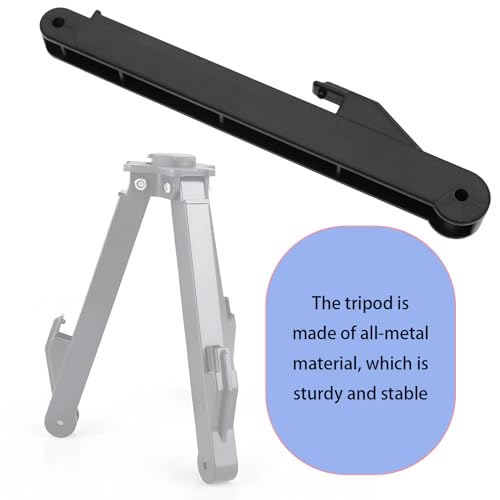
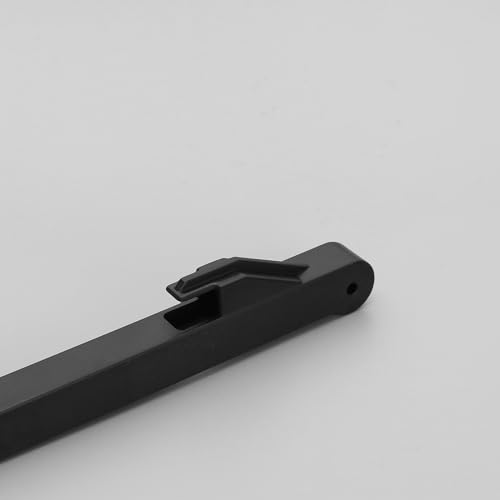
SG Store Telescopes Tripod Spreader Single Arm Compatible with AstroMaster Compatible with NexStar SLT Compatible with NexStar GT Telescopes 17x3.08cm Black



As an Amazon Associate we earn from qualifying purchases. Product prices and availability are accurate as of the date/time indicated.

SVBONY SV225T Telescope Tripod, Extendable Aluminum Astronomical Tripod | Stable Easy Leg Adjustments, 3/8" Mounting Rod, Portable, for SV225 Series Alt-Azimuth Mounts
As an Amazon Associate we earn from qualifying purchases. Product prices and availability are accurate as of the date/time indicated.
Stated load capacity, height range, leg material and sections, head or mount arrangement and its motions, fitting and thread classes, and tripod weight are each maker’s specification for the current exact model and must be confirmed in that maker’s current documents, against your telescope system’s total weighed weight, before purchase. Prices are typical street ranges as described; complete mount systems and bare tripods are identified in each row’s text. A stated maximum load describes what a support holds up; steady viewing requires the working load to sit well inside it, as this guide directs.
Detailed Reviews: Best Tripod for Telescope Steady Viewing Picks
1. Explore Scientific Twilight I Class – Best Overall
The Twilight I class leads the steady viewing table because it is the complete, honest system the small-telescope observer actually needs: an alt-azimuth mount and its tripod, specified for each other in Explore Scientific’s stated design, with a load class in its documents that contains the refractor’s and small reflector’s working weight with the margin this guide insists on, and adjustment manners in its stated arrangement that let a planet be followed without a shove and a prayer. Its improvement over the bundled supports that ship with so many telescopes is not incremental; it is the difference between an instrument and an argument.
Confirm its stated capacity against your telescope’s weighed total in Explore Scientific’s documents, set it up by the buying guide’s ritual — legs no longer than the observing position needs, everything snugged in order — and its reward is the hobby’s most underrated sensation: touching the focuser and watching the image hold still while it sharpens, as if the telescope had finally been told what it was for.
2. Sky-Watcher AZ5 Deluxe Class – Best Smooth-Tracking System
Sky-Watcher’s AZ5 class answers the same brief with that house’s mount-making depth: a complete alt-azimuth system in its stated design whose slow-motion classes, in Sky-Watcher’s documents, serve the high-power observer’s real need — moving the telescope by a hair, at 150x, without the image leaving the field or the wobble beginning its three-second sermon. For planetary and lunar work with small telescopes, that control is steady viewing in its purest form, because most shake is not ambient; it is the observer’s own corrections, amplified.
Its stated load class defines its parish, as with every system here, and the observer whose telescope lives inside it gains a mount that will serve a second and third telescope of the same class across a hobby’s evolution. Sky-Watcher’s documents and the observer’s scale, consulted together before purchase, make this one of the table’s safest recommendations.
3. Celestron Heavy-Duty Alt-Azimuth Class – Best Dedicated Tripod
Celestron’s heavy-duty tripod class is the dedicated support in its classic form: a telescope tripod in Celestron’s stated design, with its alt-azimuth arrangement for the smaller instruments and spotting-style optics that are its natural parish, at a price that respects the beginner’s total budget while refusing the bundled tripod’s trembling. For the owner of a small telescope, a large binocular on an adapter, or a spotting scope graduating to astronomy’s doorstep, it is the first real foundation their instrument has stood on.
Read its stated load and height classes in Celestron’s documents with this guide’s margin rule applied — its parish is the light instrument, honestly held — and within that parish it performs for years. Celestron’s ubiquity is a practical virtue here: its fittings and accessories speak the hobby’s common language, and a beginner’s system grows more easily on a common tongue.
4. Orion Paragon HD-F2 Class – Best Value Support
Orion’s Paragon class puts a telescope-rated tripod with a fluid-style pan arrangement, in Orion’s stated classes for its models, at the value end of the dedicated supports — the natural first upgrade for the instrument that arrived on a camera-weight tripod and has been apologising ever since. Its stated load classes suit the small telescope, the large binocular, and the spotting scope, and its height classes serve the standing observer those instruments often ask for.
Apply the margin rule to its documents as to every row: the Paragon at half its stated load is a steady servant; at its ceiling, it is a promise under strain. Bought inside its parish, it is the cheapest night of good seeing in this table, because it converts telescopes their owners were ready to blame into instruments they are ready to use.
5. Oberwerk TR3 Wooden Tripod Class – Best Vibration Damping
Oberwerk’s wooden tripod class carries a tradition the binocular astronomers never abandoned: hardwood legs, in the maker’s stated construction, whose damping character settles an image with a promptness metal legs envy, under stated load classes that serve large binoculars and small telescopes in the pairings Oberwerk documents. For the observer whose site adds its own vibration — the wooden deck, the balcony, the boardwalk over the marsh — that damping is not nostalgia; it is the specific engineering answer to their ground.
Pair it with its head as Oberwerk’s documents describe, confirm the fitting and load classes for the exact configuration, and accept its honest taxes: wood is weight, and weather asks the care the maker directs. Paid, those taxes buy the settled image this guide is about, delivered with a beauty that makes the support the rare telescope accessory visitors ask about.
6. Manfrotto 475B Geared Class – Best Heavy-Duty Tripod
Manfrotto’s geared heavy class is the photographic world’s answer brought to the eyepiece: stated load classes at the table’s summit, in Manfrotto’s documents, and a geared centre column in its stated design that raises and lowers a heavy instrument in controlled increments — the civilised way to adjust height under load, and a genuine steadiness feature, because a column heaved and dropped is a wobble with a planning department. Under a mount head chosen for the telescope, within the fittings both makers document, it is the foundation for the heaviest visual rigs in this guide’s scope.
Its weight is its own tax, paid in the carrying, and its parish is the fixed or short-carry site — the garden, the driveway, the club field reached by car. For the observer whose instrument has outgrown every astronomy-bundled support, it is the row where the wobble ends by overwhelming engineering superiority, which is a perfectly honourable way for a wobble to end.
Buying Guide: Choosing the Best Tripod for Telescope Steady Viewing
Weigh the whole system, halve the stated load, and mind every joint
Begin with a scale, not a catalogue. Weigh the complete working system — telescope tube, mount head where it is separate from the tripod, diagonal, the heaviest eyepiece, finder, dew shield, and any camera that rides along — because that total, not the tube’s brochure weight, is the load the support must hold still. Then apply the steady-viewing rule to the makers’ documents: choose a support whose stated maximum load is at least half again, and preferably twice, your weighed total, because stated maxima describe holding up, and holding still at 150x is a stricter profession. Mind the joints with the same rigour: the head’s fitting to the tripod’s top, the telescope’s fitting to the head, each read in both makers’ documents for thread and base classes, because a system is as steady as its least certain connection, and an adapter stack of three improvisations will wobble on a tripod built like a bridge. Prefer fewer leg sections and the shortest extension the observing position allows — a seated observer on a low support is steadier than a standing one on a fully extended tripod, by physics rather than by opinion — and treat the centre column as the last resort of height, raised minimally, since an extended column is a lever that manufactures shake.
Set up for stillness: ground, order, and the focuser’s pause
Choose the ground before the target: grass, soil, and gravel forgive; wooden decks and balconies conduct every footstep to the eyepiece, and where a deck is the only site, the wooden tripod’s damping and a position over a supporting joist, learned by experiment, are the mitigations this guide can honestly offer. Set up in order — legs widened and locked, mount levelled where its design asks, the telescope balanced in its mount as its maker directs, because an unbalanced telescope leans on its locks and creeps — and then adopt the observer’s central discipline: touch, wait, look. Every contact with the instrument, the focuser above all, starts a vibration that the support needs its moment to dismiss; the steady observer focuses in small turns with pauses between, tracks in small movements with pauses between, and discovers that the pause is not dead time but the very substance of high-power observing. Keep hands, cables, and dangling straps from resting against the legs during the look, shelter the setup from wind with the car, a wall, or your own placed body where the site allows, and let the telescope reach the night’s temperature as its maker advises, since a cooling instrument’s shifting image is often mistaken for the support’s sin.
Buy once, maintain simply, and never improvise toward the Sun
Buy the support as the decade’s equipment it is, from the maker or an authorised retailer, with its documents kept — load classes, fitting classes, and care instructions — in the telescope’s own file, because a tripod’s second decade is served by the person who can still read its specifications when a new telescope arrives. Maintain it as its maker directs: joints cleaned of the grit that fields supply, locks checked rather than forced, wood cared for as Oberwerk directs and metal wiped down after the dewy nights that are astronomy’s native weather, and the whole stored dry with its locks relaxed. Replace on evidence — a lock that slips under load, a leg that will not hold its section — rather than nursing a failing support under an expensive telescope, because the failure mode of a support is measured in the instrument it drops. And keep the guide’s opening law as the system’s permanent rule, repeated here because repetition is what safety rules are for: the telescope is never pointed at or near the Sun without a proper front-fitted solar filter made for the purpose and used exactly as its maker directs — steady viewing, safe viewing, in that order’s reverse. The best tripod for telescope steady viewing is finally the support whose stated load halves your weighed system, whose joints are all documented certainties, and whose setup ritual ends in the focuser’s pause: any support in this table, so chosen and so used, will hold a telescope still enough that the observer forgets it entirely — and an astronomer who has forgotten the tripod is an astronomer finally looking through the telescope, which was the point of every purchase in the hobby, this one most of all.
Frequently Asked Questions About the Best Tripod for Telescope Steady Viewing
What is the best tripod for steady telescope viewing?
As a complete system for the small telescope, the Explore Scientific Twilight I class leads this table, with Sky-Watcher’s AZ5 class its smooth-tracking rival — both alt-azimuth mount-and-tripod systems whose stated load classes honestly contain a refractor’s or small reflector’s working weight. Celestron’s and Orion’s dedicated tripods serve the lighter instruments and the head you already own; Oberwerk’s wooden class offers the finest vibration damping; and Manfrotto’s geared class carries the heaviest rigs. The best one for you is decided by your scale before it is decided by any review: weigh the complete system — tube, mount, diagonal, heaviest eyepiece, finder, dew shield — and choose a support whose stated maximum load, in its maker’s documents, is at least half again and preferably twice that total, because stated loads describe holding up and you are buying holding still. Confirm the fittings between every joint in both makers’ documents, and the wobble that has taxed your observing is likely to retire in a single purchase.
Why does my telescope shake so much, and what fixes it first?
The shake has four usual authors, in the order this guide would interrogate them. First, the load ratio: a support working near its stated maximum will tremble at high power no matter its badge, and the cure is the margin rule — the weighed system at half to two-thirds of the stated load. Second, extension: legs at full stretch and a raised centre column are levers that manufacture vibration, cured free of charge by observing seated, lower, with the column down. Third, the ground: decks and balconies conduct footsteps, cured by position — over a joist, off the boards, on grass where the site allows — and by a damping-friendly support where the deck is unavoidable. Fourth, the observer: continuous touching, focusing without pauses, cables resting on legs, cured by the touch-wait-look discipline, which costs nothing and which experienced observers will tell you is worth a full class of equipment. Work the four in order before buying anything, because the diagnosis is free — then buy the support the diagnosis indicts, from the maker’s documents, and not before.
Can I use a camera tripod for a telescope?
Sometimes, with the documents’ permission and modest expectations. A photographic tripod and head can serve a very light telescope — a small refractor or a spotting-scope-class instrument — when the telescope system’s weighed total sits well inside the tripod’s and head’s stated load classes, when the fittings match as both makers document, and when the observing is at the lower powers where a photo head’s behaviour is acceptable. The limits arrive quickly and honestly: photographic heads are balanced for cameras that sit centred, not for telescopes that cantilever; their locks and motions, at astronomical magnifications, tend to stick, slip, and spring in ways that this guide’s touch-wait-look discipline can only partly forgive; and their stated loads, read with the margin rule, exclude most telescopes above the smallest class. The dedicated astronomy supports in this table exist because the hobby’s demands are specific — slow, smooth, high-power steadiness under an awkward load — and the observer who begins on a camera tripod inside its honest parish will learn exactly which of its limits matters, and buy the astronomy support as an informed upgrade rather than as a guess. That is a respectable path, provided the parish is respected and the Sun rule, as always, is absolute.
How can I make my current tripod steadier tonight, before buying anything?
With the free physics this guide has been teaching, applied in order. Lower everything: observe seated, shorten the legs to that height, keep the centre column down, and widen the stance. Move to forgiving ground — grass or soil over deck or paving where the site allows — and shelter the setup from the wind with whatever the site offers. Balance the telescope in its mount as its maker directs, snug every lock in order from the ground up, and clear the contact points: no cables, straps, or resting hands against the legs while you look. Adopt the focuser’s pause — small turns, a breath between, the look only when the image has settled — and lower the magnification a step when the air or the support is restless, because a steady lower power always shows more than a shaking higher one. Hang nothing swinging from the column, whatever the folklore says, unless your support’s maker directs it; a swinging weight is a pendulum with your telescope as its pivot. If, after all of that, the image still swims at the powers your observing needs, the diagnosis has indicted the support itself — and you may buy its replacement from this table, by the weighed load and the stated margin, with the confidence of an observer who has already extracted everything technique can give.
Related guides
- Best Value Digiscoping Phone Mount Birding in 2026: 7 Affordable Phone Mounts That Turn Your Spotting Scope Into a Birding Camera
- Best Tripod for Travel Lightweight Packing in 2026: 7 Lightweight Travel Tripods That Pack Small, Hold a Spotting Scope Steady, and Fit in Your Carry-On
- Best Spotting Scope for Beginners Easy Setup in 2026: Forgiving Scopes, Simple Tripods, and a First Session That Ends With a Bird — Not a Manual
- Best Spotting Scope vs Binoculars for Beginners in 2026: 6 Top Spotting Scope vs Binoculars for Beginners Options, Easy Viewing, and Easy Use
More from Amazon
Programs that pair well with the guide above. Offers and eligibility are set by Amazon and may change.
Free shipping on eligible items, Prime Video and more. Eligible new members can start with a free trial.
Start a Prime free trialAudiobooks and podcasts to listen to on the go. Eligible new members can start with a free trial.
Try Audible freeAd-free music streaming. Eligible new subscribers can start with a free trial.
Try Music Unlimited freeA free business account with business pricing and bulk-buying tools for work, shop or home office.
Create a business accountAs an Amazon Associate we earn from qualifying purchases.

Write Your Review
No reviews yet. Be the first to share your experience!