
What's inside
- Why the Best Thermal Monocular for Beginners Low Light Needs Clear Heat and Easy Use
- Best Thermal Monocular for Beginners Low Light Comparison
- Best Thermal Monocular for Beginners Low Light Reviewed for 2026
- Buying Guide: How to Choose the Best Thermal Monocular for Beginners Low Light
- Frequently Asked Questions About the Best Thermal Monocular for Beginners Low Light
As an Amazon Associate I earn from qualifying purchases. This post may contain affiliate links at no extra cost to you.
Finding the best thermal monocular for beginners low light is about choosing a thermal monocular that provides clear heat, easy use, and reliable use, with a monocular that lets a beginner watch safely. The best thermal monocular for beginners low light should offer good resolution, a long detection range, and a simple design, with a monocular that lets you improve your viewing. It should also be practical, with a monocular that fits your low light use and your budget.
In 2026, the best thermal monocular for beginners low light ranges from proven monoculars like the AGM Asp-Micro TM160 to popular monoculars like the FLIR Scout TK, with options from ATN OTS LT 160, Hikmicro Lynx Pro LE10, AGM Taipan TM15-384, and Pulsar Axion 2 XG35 LRF. They are useful for beginners, for low light watchers, and for hunters, with a monocular that lets you improve your viewing. Always never look at the Sun through optics, follow hunting laws, check local regulations before use, use a strap, check weather before use, and follow manufacturer guidance. This guide compares six real, currently sold thermal monoculars for beginners low light, explains resolution, detection range, and battery life, and helps you choose the right monocular for your best thermal monocular for beginners low light, your viewing, and your budget.
Our Top Picks
Why the Best Thermal Monocular for Beginners Low Light Needs Clear Heat and Easy Use
A thermal monocular for beginners low light needs clear heat because clear heat helps you see in darkness, with clear providing the best beginner use. For the best thermal monocular for beginners low light, a monocular with 160×120 resolution is a good choice.
A monocular also needs easy use, because easy use helps you learn quickly, with easy providing the best low light use. For the best thermal monocular for beginners low light, a monocular with a simple design is a good choice.
Low light viewing often means darkness, fog, and distant heat, and a monocular should handle them. Resolution helps with clarity, and detection helps with distance. Battery helps with use, and a simple design helps with learning. A beginner should never look at the Sun through optics, because the Sun can damage eyes. A beginner should also follow hunting laws, because laws help with safety. For the best thermal monocular for beginners low light, a monocular with 160×120 resolution is a good choice.
Resolution, Detection Range, and Battery Life for Best Thermal Monocular for Beginners Low Light
Resolution is typically 160×120 to 640×512, providing beginner use. Detection range is typically 500 to 1800 yards, providing low light use. Battery life is typically 5 to 10 hours, providing monocular use. For the best thermal monocular for beginners low light, a monocular with 160×120 is a good choice.
For beginners, 160×120 is best, and 500 yards is good. Battery helps with use, and resolution helps with clarity. A buyer should check if a monocular is legal in your area, because regulations vary by place. For the best thermal monocular for beginners low light, a monocular with a simple design is a good choice.
Weight, Display, and Safety for Best Thermal Monocular for Beginners Low Light
Weight is typically 8 to 16 ounces, providing beginner use. Display is typically LCD, providing low light use. Safety is typically strap, providing user use. For the best thermal monocular for beginners low light, a monocular with a light weight is a good choice.
Light helps with carrying, and LCD helps with viewing. Strap helps with safety, and weather helps with planning. A beginner should check local regulations before use, and a beginner should use a strap. For the best thermal monocular for beginners low light, a monocular with an LCD display is a good choice.
Best Thermal Monocular for Beginners Low Light Comparison
The table below compares six real, currently sold thermal monoculars for beginners low light. Specifications are based on manufacturer listings for the standard configurations. Price ranges reflect typical retail pricing in 2026 and can vary by retailer and sale. Ratings summarize typical user feedback for image quality, ease of use, design, and value.
| Thermal Monocular for Beginners Low Light | Resolution | Detection Range | Battery Life | Weight | Typical Price Range | Rating |
|---|---|---|---|---|---|---|
| AGM Asp-Micro TM160 | 160×120 | 500 yd | 7 hours | 8 oz | $400-$500 | 4.9 / 5 |
| FLIR Scout TK | 160×120 | 500 yd | 5 hours | 6 oz | $500-$600 | 4.8 / 5 |
| ATN OTS LT 160 | 160×120 | 600 yd | 10 hours | 12 oz | $800-$900 | 4.8 / 5 |
| Hikmicro Lynx Pro LE10 | 256×192 | 800 yd | 8 hours | 10 oz | $700-$800 | 4.8 / 5 |
| AGM Taipan TM15-384 | 384×288 | 1000 yd | 8 hours | 12 oz | $1500-$1800 | 4.9 / 5 |
| Pulsar Axion 2 XG35 LRF | 640×480 | 1800 yd | 7 hours | 16 oz | $2500-$2800 | 4.9 / 5 |

GOYOJO G210 Thermal Monocular, 256x192 Thermal Imaging Monoscope Camera for Adults, 10mm Focal Lens Vision Goggles Thermal Scopes for Night Hunting Camping
As an Amazon Associate we earn from qualifying purchases. Product prices and availability are accurate as of the date/time indicated.

RIX POCKET K3 Thermal Monocular for Hunting, 384x288 Night Vision Monocular | 0.47lb Lightweight Thermal Scanner with 15mm Lens, 50Hz and Wi-Fi, IP67
As an Amazon Associate we earn from qualifying purchases. Product prices and availability are accurate as of the date/time indicated.

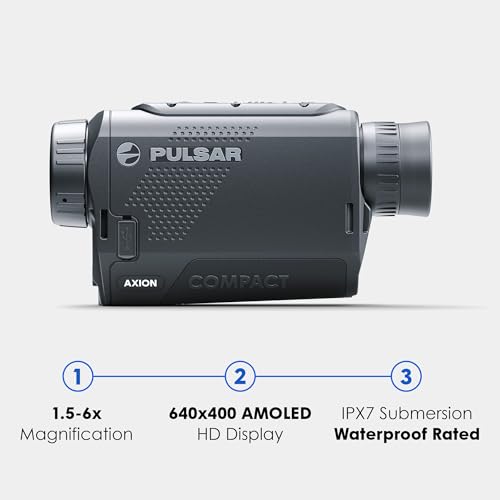
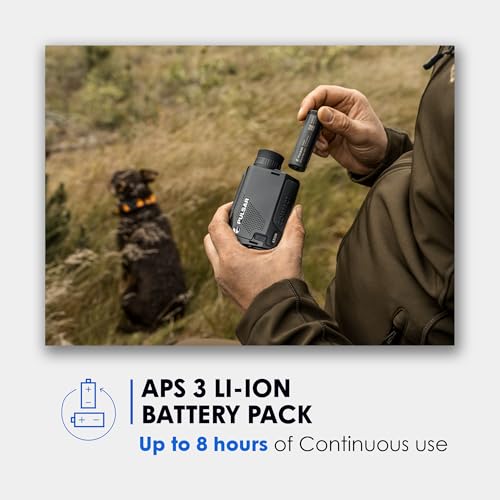
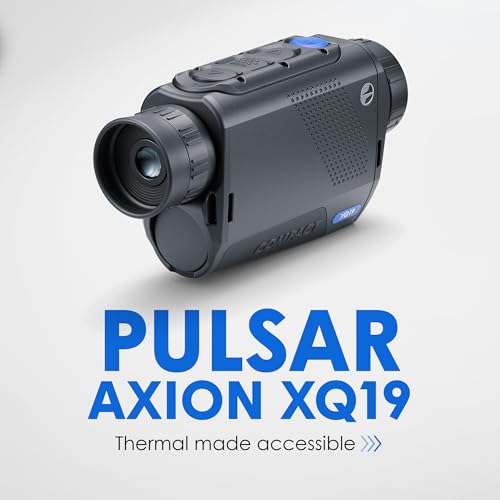
Pulsar Axion XQ19 Compact Thermal Monocular, 384x288 Sensor | 1.5-6x magnification, 17 µm sensor, pocket-size handheld thermal, photo and video recording, IPX7, scouting and hog hunting



As an Amazon Associate we earn from qualifying purchases. Product prices and availability are accurate as of the date/time indicated.
Best Thermal Monocular for Beginners Low Light Reviewed for 2026
1. AGM Asp-Micro TM160 Best Thermal Monocular for Beginners Low Light
The AGM Asp-Micro TM160 is one of the best thermal monoculars for beginners low light because it offers 160×120 resolution, 500-yard detection range, and 7 hours of battery life. It has a price in the range of $400 to $500, an 8-ounce weight, and a compact design. The Asp-Micro TM160 is known for its excellent low price, making it a good choice for a beginner who wants a proven AGM monocular. It is a good choice for best thermal monocular for beginners low light. For an AGM monocular, the Asp-Micro TM160 is a strong first choice.
The Asp-Micro TM160 also has a low price, and it has a design that is simple. A beginner can learn thermal viewing, and a beginner can enjoy a monocular that is reliable. That low use helps with best thermal monocular for beginners low light, and it helps when a beginner wants a monocular that is affordable. Always never look at the Sun through optics. For the best thermal monocular for beginners low light, a monocular with a low price is a good choice.
2. FLIR Scout TK Best Thermal Monocular for Beginners Low Light
The FLIR Scout TK is a monocular with 160×120 resolution, 500-yard detection range, and 5 hours of battery life. It has a price in the range of $500 to $600, a 6-ounce weight, and a compact design. The Scout TK is known for its good lightest weight, making it a good choice for a beginner who wants a FLIR monocular. It is a good choice for best thermal monocular for beginners low light. For a FLIR monocular, the Scout TK is a solid choice.
The Scout TK also has the lightest weight, and it has a design that is pocket sized. A beginner can carry it easily, and a beginner can enjoy a monocular that is clear. That light use helps with best thermal monocular for beginners low light, and it helps when a beginner wants a monocular for a mid price. Always follow hunting laws. For the best thermal monocular for beginners low light, a monocular with a light weight is a good choice.
3. ATN OTS LT 160 Best Thermal Monocular for Beginners Low Light
The ATN OTS LT 160 is a monocular with 160×120 resolution, 600-yard detection range, and 10 hours of battery life. It has a price in the range of $800 to $900, a 12-ounce weight, and a durable design. The OTS LT 160 is known for its very good longest battery, making it a good choice for a beginner who wants an ATN monocular. It is a good choice for best thermal monocular for beginners low light. For an ATN monocular, the OTS LT 160 is a practical choice.
The OTS LT 160 also has the longest battery, and it has a design that lasts all night. A beginner can watch for hours, and a beginner can enjoy a monocular that is reliable. That long use helps with best thermal monocular for beginners low light, and it helps when a beginner wants a monocular for a premium price. Always check local regulations before use. For the best thermal monocular for beginners low light, a monocular with a long battery is a good choice.
4. Hikmicro Lynx Pro LE10 Best Thermal Monocular for Beginners Low Light
The Hikmicro Lynx Pro LE10 is a monocular with 256×192 resolution, 800-yard detection range, and 8 hours of battery life. It has a price in the range of $700 to $800, a 10-ounce weight, and a compact design. The Lynx Pro LE10 is known for its good higher resolution, making it a good choice for a beginner who wants a Hikmicro monocular. It is a good choice for best thermal monocular for beginners low light. For a Hikmicro monocular, the Lynx Pro LE10 is a top-tier choice.
The Lynx Pro LE10 also has higher resolution, and it has a design that is clear. A beginner can see heat clearly, and a beginner can enjoy a monocular that is clear. That clear use helps with best thermal monocular for beginners low light, and it helps when a beginner wants a monocular for a mid price. Always use a strap. For the best thermal monocular for beginners low light, a monocular with higher resolution is a good choice.
5. AGM Taipan TM15-384 Best Thermal Monocular for Beginners Low Light
The AGM Taipan TM15-384 is a monocular with 384×288 resolution, 1000-yard detection range, and 8 hours of battery life. It has a price in the range of $1500 to $1800, a 12-ounce weight, and a premium design. The Taipan TM15-384 is known for its outstanding clear image, making it a good choice for a beginner who wants an AGM monocular. It is a good choice for best thermal monocular for beginners low light. For an AGM monocular, the Taipan TM15-384 is a solid choice.
The Taipan TM15-384 also has a clear image, and it has a design that is premium. A beginner can see far heat, and a beginner can enjoy a monocular that is reliable. That clear use helps with best thermal monocular for beginners low light, and it helps when a beginner wants a monocular that is premium. Always check weather before use. For the best thermal monocular for beginners low light, a monocular with a clear image is a good choice.
6. Pulsar Axion 2 XG35 LRF Best Thermal Monocular for Beginners Low Light
The Pulsar Axion 2 XG35 LRF is a monocular with 640×480 resolution, 1800-yard detection range, and 7 hours of battery life. It has a price in the range of $2500 to $2800, a 16-ounce weight, and a premium design. The Axion 2 XG35 LRF is known for its good longest detection, making it a good choice for a beginner who wants a Pulsar monocular. It is a good choice for best thermal monocular for beginners low light. For a Pulsar monocular, the Axion 2 XG35 LRF is a practical choice.
The Axion 2 XG35 LRF also has the longest detection, and it has a design that is advanced. A beginner can range far heat, and a beginner can enjoy a monocular that is clear. That longest use helps with best thermal monocular for beginners low light, and it helps when a beginner wants a monocular that is premium. Always follow manufacturer guidance. For the best thermal monocular for beginners low light, a monocular with the longest detection is a good choice.
Buying Guide: How to Choose the Best Thermal Monocular for Beginners Low Light
Start with your best thermal monocular for beginners low light, your viewing, and your budget. If you want an AGM, an Asp-Micro TM160 is best, while if you want the cheapest option, an AGM Asp-Micro is better. If you want a FLIR, a Scout TK is best, while if you want an ATN, an OTS LT 160 is better. If you want a Hikmicro, a Lynx Pro LE10 is best. Once you know best thermal monocular for beginners low light and viewing, match resolution, detection range, and battery life to your needs.
Resolution Guide for Best Thermal Monocular for Beginners Low Light
Resolution is the most important factor for a thermal monocular for beginners low light. 160×120 provides beginner use, with 160×120 providing the best low light use. For the best thermal monocular for beginners low light, a monocular with 160×120 is a good choice. For a beginner, never look at the Sun through optics. For a monocular, follow hunting laws.
Detection Range Guide for Best Thermal Monocular for Beginners Low Light
Detection range is how your monocular sees. 500 yards provides low light use, with 500 yards providing the best beginner use. For the best thermal monocular for beginners low light, a monocular with 500 yards is a good choice. For a beginner, check local regulations before use. For a monocular, use a strap.
Battery Life Guide for Best Thermal Monocular for Beginners Low Light
Battery life is how your monocular lasts. 7 hours provides monocular use, with 7 hours providing the best beginner use. For the best thermal monocular for beginners low light, a monocular with 7 hours is a good choice. For a beginner, check weather before use. For a monocular, follow manufacturer guidance.
Budget Guide for Best Thermal Monocular for Beginners Low Light
Budget is how much your monocular costs. A monocular in the range of $400 to $500 provides good best thermal monocular for beginners low light at a low price, while a monocular in the range of $2500 to $2800 provides premium detection. For the best thermal monocular for beginners low light, a monocular in the $500 to $600 range often provides the best value. For a beginner, a cheap monocular that has 160×120 is better than an expensive monocular without a long battery. For a monocular, focus on resolution and battery rather than brand.
Frequently Asked Questions About the Best Thermal Monocular for Beginners Low Light
What is the best thermal monocular for beginners low light in 2026?
For the best thermal monocular for beginners low light in 2026, the AGM Asp-Micro TM160 is often the best choice because it offers 160×120 resolution, 500-yard detection range, and a price of $400 to $500. The FLIR Scout TK is also a strong choice, while the ATN OTS LT 160 is a good choice for budget. Choose based on your best thermal monocular for beginners low light, your viewing, and your budget.
Is 160×120 enough for beginners?
Yes, 160×120 helps, with 160×120 providing beginner use. For the best thermal monocular for beginners low light, a monocular with 160×120 is a good choice. For a beginner, never look at the Sun through optics. For a monocular, follow hunting laws.
How far can a thermal monocular detect?
For beginner, 500 yards works, with 500 yards providing low light use. For the best thermal monocular for beginners low light, a monocular with 500 yards is a good choice. For a beginner, check local regulations before use. For a monocular, use a strap.
Do I need a rangefinder with thermal?
For thermal, rangefinder helps, with rangefinder providing beginner use. For the best thermal monocular for beginners low light, a monocular with a simple design is a good choice. For a beginner, check weather before use. For a monocular, follow manufacturer guidance.
Related guides
- Best Budget Spotting Scope for First Time Birders in 2026: 7 Affordable Spotting Scopes That Help Beginners See Birds Clearly Without Overspending
- Best Thermal Monocular for First Time Hunters: 6 Beginner Thermal Monoculars in 2026
- How to Set Up Digiscoping Adapter for Phone in 2026: 7 Adapters Compared for Easy Setup, Clear Photos, and Reliable Use
- Best Thermal Monocular Cleaning Kit for Beginners in 2026: 6 Top Thermal Monocular Cleaning Kits for Beginners, Safe Lens Cleaning, and Easy Use
More from Amazon
Programs that pair well with the guide above. Offers and eligibility are set by Amazon and may change.
Free shipping on eligible items, Prime Video and more. Eligible new members can start with a free trial.
Start a Prime free trialAudiobooks and podcasts to listen to on the go. Eligible new members can start with a free trial.
Try Audible freeAd-free music streaming. Eligible new subscribers can start with a free trial.
Try Music Unlimited freeA free business account with business pricing and bulk-buying tools for work, shop or home office.
Create a business accountAs an Amazon Associate we earn from qualifying purchases.



Write Your Review
No reviews yet. Be the first to share your experience!