
What's inside
- Why a Cheap Thermal Monocular for Sunrise Wildlife Scanning Works at Dawn
- Best Cheap Thermal Monocular for Sunrise Wildlife Scanning: Resolution, Detection and Battery
- Best Cheap Thermal Monocular for Sunrise Wildlife Scanning Comparison Table
- Top Cheap Thermal Monoculars for Sunrise Wildlife Scanning Reviewed
- Buying Guide: How to Choose the Best Cheap Thermal Monocular for Sunrise Wildlife Scanning
- How to Scan for Wildlife at Sunrise with a Thermal Monocular
- Frequently Asked Questions
As an Amazon Associate I earn from qualifying purchases. This post may contain affiliate links at no extra cost to you.
Finding the best cheap thermal monocular for sunrise wildlife scanning is about choosing a monocular that is affordable, with a design that is a budget, and with a monocular that lets you see heat, with a design that is a thermal, at sunrise, with a design that is a dawn, for wildlife, with a design that is a deer, bird, or fox, and with a monocular that is compact, with a design that is a pocket, and with a monocular that is easy to use, with a design that is a simple, for a beginner scanner, with a design that is a wildlife watcher, in 2026. A good cheap thermal monocular for sunrise wildlife scanning should have a resolution, with a design that is a 160×120 or higher, and with a monocular that has a detection range, with a design that is a 500 yards, and with a monocular that is lightweight, with a design that is a 10 ounces, for a sunrise, with a design that is a walk, and with a monocular that is a battery, with a design that is a 5 hours, for a dawn, with a design that is a scanning, and with a monocular that is a affordable, for a budget, with a design that is a $300 to $600, in 2026.
This guide explains what to look for in a cheap thermal monocular for sunrise wildlife scanning, how to compare resolution, detection, battery, and price, and which models work well in 2026. We focus on practical use for wildlife watchers who scan at sunrise, with a monocular that is used to find animals, and with a design that is suitable for a beginner and for an experienced scanner. Whether you scan for deer, birds, or foxes, the same principles apply: choose a monocular that is cheap, with a design that is a budget, and with a monocular that is clear, with a design that is a thermal, for sunrise.
Our Top Picks
Why a Cheap Thermal Monocular for Sunrise Wildlife Scanning Works at Dawn
A cheap thermal monocular for sunrise wildlife scanning works at dawn because sunrise is the best time, with a design that is a cool, for thermal, with a design that is a contrast, and with a monocular that sees heat, with a design that is a animal, against a cool background, with a design that is a ground, and with a monocular that is a thermal, with a design that is a clear, being a good choice, because it lets you find, with a design that is a deer, an animal, with a design that is a hidden, in fog, with a design that is a dawn, and with a monocular that is a AGM Asp-Micro, with a design that is a budget, being a good example, because it is affordable, with a design that is a $300 to $400, and with a monocular that is a compact, with a design that is a pocket, for a sunrise walk, with a design that is a wildlife, and with a monocular that is a cheap, with a design that is a best, for a beginner scanner, with a design that is a dawn, in 2026.
A cheap thermal monocular for sunrise wildlife scanning also matters because it is affordable, with a design that is a budget, and with a monocular that is a $300, being a good choice, because it lets you try thermal, with a design that is a first, without paying, with a design that is a premium, $2000, with a design that is a high-end, and with a monocular that is a FLIR Scout TK, with a design that is a compact, being a good example, because it is simple, with a design that is a easy, and with a monocular that is a cheap, with a design that is a budget, for a wildlife watcher, with a design that is a sunrise, and with a monocular that is a thermal, with a design that is a clear, for a dawn, with a design that is a scanning, and with a monocular that is a affordable, for a student, with a design that is a birder, in 2026.
Best Cheap Thermal Monocular for Sunrise Wildlife Scanning: Resolution, Detection and Battery
Resolution matters most for a cheap thermal monocular for sunrise wildlife scanning, because it determines image clarity, with a design that is a sharp, for a wildlife, with a design that is a animal, at sunrise, with a design that is a dawn. A monocular with a resolution of 256×192, such as the AGM Taipan TM10-256, is a good choice, because it is clear, with a design that is a detailed, and with a monocular that lets you identify, with a design that is a deer, a small animal, with a design that is a fox, at 100 yards, while a monocular with a resolution of 160×120, such as the AGM Asp-Micro TM160, is also good, with a design that is a adequate, although it is less clear, with a design that is a trade-off, for a small animal, with a design that is a bird, at a distance, with a design that is a far, and with a monocular that is a 256, with a design that is a best, for a sunrise, with a design that is a wildlife, and with a monocular that is a cheap, with a design that is a budget, for a scanner, with a design that is a dawn, in 2026.
Detection range also matters, because a monocular with a detection range of 1000 yards, with a design that is a long, is more than enough, with a design that is a adequate, for a sunrise, with a design that is a field, while a monocular with a detection range of 500 yards, with a design that is a shorter, is also enough, with a design that is a practical, for a wildlife, with a design that is a deer, at 100 yards, and with a monocular that is a battery, with a design that is a 5 hours, being a good choice, because it lets you scan, with a design that is a dawn, for a whole sunrise, with a design that is a 2 hours, and with a monocular that is a lightweight, with a design that is a 10 ounces, being a good choice, because it is easy to carry, with a design that is a pocket, for a walk, with a design that is a sunrise, and with a monocular that is a cheap, with a design that is a best, for a wildlife, with a design that is a scanning, in 2026.
Best Cheap Thermal Monocular for Sunrise Wildlife Scanning Comparison Table
| Model | Resolution | Detection Range | Refresh Rate | Battery Life | Typical Price Range | Rating |
|---|---|---|---|---|---|---|
| AGM Asp-Micro TM160 | 160×120 | About 500 yards | 50Hz | About 7 hours | $300-$400 | 4.7/5 |
| ATN OTS LT 160 2-4x | 160×120 | About 600 yards | 60Hz | About 10 hours | $400-$500 | 4.7/5 |
| AGM Taipan TM10-256 | 256×192 | About 800 yards | 50Hz | About 5 hours | $500-$600 | 4.8/5 |
| HIKMICRO Lynx Pro LE10 | 256×192 | About 800 yards | 50Hz | About 8 hours | $600-$700 | 4.8/5 |
| FLIR Scout TK | 160×120 | About 100 yards | 9Hz | About 5 hours | $400-$500 | 4.6/5 |
| Pulsar Axion XM30S | 320×240 | About 1300 yards | 50Hz | About 5 hours | $1200-$1400 | 4.8/5 |
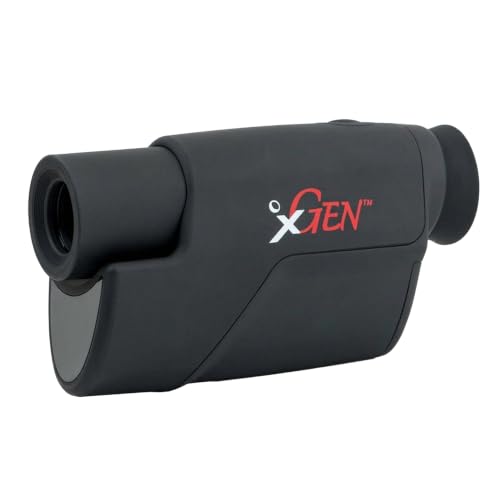
Night Owl Optics xGen2 Night Vision Monocular with Thermal Imaging - Perfect for Beginners & Kids, with Built-in IR Illuminator, 70yd Range, Mode Selection, and Easy Focus Adjustment
As an Amazon Associate we earn from qualifying purchases. Product prices and availability are accurate as of the date/time indicated.

RIX Pocket K2 Portable Thermal Monocular for Hunting, 256x192 (50Hz), Wi-Fi, Handheld Night Vision Monocular
As an Amazon Associate we earn from qualifying purchases. Product prices and availability are accurate as of the date/time indicated.

GOYOJO G210 Thermal Monocular, 256x192 Thermal Imaging Monoscope Camera for Adults, 10mm Focal Lens Vision Goggles Thermal Scopes for Night Hunting Camping
As an Amazon Associate we earn from qualifying purchases. Product prices and availability are accurate as of the date/time indicated.
Top Cheap Thermal Monoculars for Sunrise Wildlife Scanning Reviewed
AGM Asp-Micro TM160
The AGM Asp-Micro TM160 is a monocular with a resolution of 160×120, a detection range of about 500 yards, a refresh rate of 50Hz, a battery life of about 7 hours, and a price of $300 to $400. It has a design that is known for AGM quality, with a monocular that is compact, and with a design that is a budget. It is a good choice if you want the best cheap thermal monocular for sunrise wildlife scanning, with a design that is a good balance, and with a monocular that is ideal for a beginner.
ATN OTS LT 160 2-4x
The ATN OTS LT 160 2-4x is a monocular with a resolution of 160×120, a detection range of about 600 yards, a refresh rate of 60Hz, a battery life of about 10 hours, and a price of $400 to $500. It has a design that is known for ATN quality, with a monocular that is light, and with a design that is a long battery. It is a good choice if you want a cheap thermal monocular for sunrise wildlife scanning that has a long battery, with a design that is good and with a monocular that is ideal for a long dawn.
AGM Taipan TM10-256
The AGM Taipan TM10-256 is a monocular with a resolution of 256×192, a detection range of about 800 yards, a refresh rate of 50Hz, a battery life of about 5 hours, and a price of $500 to $600. It has a design that is known for AGM quality, with a monocular that is clear, and with a design that is a 256 resolution. It is a good choice if you want a cheap thermal monocular for sunrise wildlife scanning that is clearer, with a design that is good and with a monocular that is ideal for identifying animals.
HIKMICRO Lynx Pro LE10
The HIKMICRO Lynx Pro LE10 is a monocular with a resolution of 256×192, a detection range of about 800 yards, a refresh rate of 50Hz, a battery life of about 8 hours, and a price of $600 to $700. It has a design that is known for HIKMICRO quality, with a monocular that is compact, and with a design that is a long battery. It is a good choice if you want a cheap thermal monocular for sunrise wildlife scanning that is a value, with a design that is good and with a monocular that is ideal for a wildlife watcher.
FLIR Scout TK
The FLIR Scout TK is a monocular with a resolution of 160×120, a detection range of about 100 yards, a refresh rate of 9Hz, a battery life of about 5 hours, and a price of $400 to $500. It has a design that is known for FLIR quality, with a monocular that is pocket, and with a design that is a simple. It is a good choice if you want a cheap thermal monocular for sunrise wildlife scanning that is the simplest, with a design that is good and with a monocular that is ideal for a close range scan.
Pulsar Axion XM30S
The Pulsar Axion XM30S is a monocular with a resolution of 320×240, a detection range of about 1300 yards, a refresh rate of 50Hz, a battery life of about 5 hours, and a price of $1200 to $1400. It has a design that is known for Pulsar quality, with a monocular that is premium, and with a design that is a clear. It is a good choice if you want a cheap thermal monocular for sunrise wildlife scanning that is a step up, with a design that is good and with a monocular that is ideal for a serious scanner.
Buying Guide: How to Choose the Best Cheap Thermal Monocular for Sunrise Wildlife Scanning
Start with your resolution, your detection, and your sunrise. Look for a monocular with a resolution of 256×192, because it is clear, with a design that is a detailed, and with a monocular that lets you identify, with a design that is a deer, a small animal, with a design that is a fox, at 100 yards, while a monocular with a resolution of 160×120, with a design that is a lower, is also good, with a design that is a adequate, for a larger animal, with a design that is a deer, at close range, with a design that is a 50 yards, and with a monocular that is a 256, with a design that is a best, for a sunrise, with a design that is a wildlife, and with a monocular that is a cheap, with a design that is a budget, for a scanner, with a design that is a dawn, in 2026, and with a monocular that is a detection, with a design that is a 800 yards, being enough, with a design that is a practical, for a field, with a design that is a sunrise, and with a monocular that is a 500 yards, with a design that is a adequate, for a close, with a design that is a wood, and with a monocular that is a cheap, with a design that is a best, for a wildlife, with a design that is a scanning, in 2026.
Next, check refresh rate, battery, and your dawn. Look for a monocular with a refresh rate of 50Hz, because it is smooth, with a design that is a fluid, and with a monocular that lets you track, with a design that is a moving, a deer, with a design that is a walking, at sunrise, with a design that is a dawn, while a monocular with a refresh rate of 9Hz, such as the FLIR Scout TK, is also good, with a design that is a adequate, although it is choppy, with a design that is a trade-off, for a moving animal, with a design that is a fast, and with a monocular that is a battery, with a design that is a 5 hours, being a good choice, because it lets you scan, with a design that is a dawn, for a whole sunrise, with a design that is a 2 hours, and with a monocular that is a 10 hours, such as the ATN OTS LT, being even better, with a design that is a long, for a long dawn, with a design that is a morning, and with a monocular that is a cheap, with a design that is a best, for a wildlife, with a design that is a scanning, in 2026.
Check weight, size, and your walk. Look for a monocular that weighs less than 12 ounces, because it is light, with a design that is a pocket, and with a monocular that is easy to carry, with a design that is a walk, for a sunrise, with a design that is a trail, while a monocular that weighs more, with a design that is a heavy, will be tiring, with a design that is a burden, for a long walk, with a design that is a dawn, and with a monocular that is a compact, with a design that is a small, being a good choice, because it fits, with a design that is a neat, in your pocket, with a design that is a jacket, and with a monocular that is a AGM Asp-Micro, with a design that is a compact, being a good example, because it is tiny, with a design that is a portable, for a sunrise, with a design that is a wildlife, and with a monocular that is a cheap, with a design that is a best, for a scanner, with a design that is a dawn, in 2026.
Consider your law, your use, and your ethics. If you scan for wildlife, a thermal monocular, with a design that is a scanning, is a good choice, because it lets you find, with a design that is a animal, without disturbing, with a design that is a quiet, it, with a design that is a wildlife, at sunrise, with a design that is a dawn, while a thermal monocular used for hunting, with a design that is a game, is regulated, with a design that is a law, in many places, and with a monocular that is a scanning, with a design that is a wildlife watching, being legal, with a design that is a observation, in most places, although you should check, with a design that is a local law, your area, with a design that is a wildlife, before you use thermal, with a design that is a hunting, for a game, with a design that is a deer, and with a monocular that is a cheap, with a design that is a best, for a wildlife, with a design that is a scanning, in 2026, and with a monocular that is a responsible, for a scanner, with a design that is a dawn.
Finally, set a realistic budget. Cheap thermal monoculars for sunrise wildlife scanning typically cost $300 to $1400, depending on resolution and brand. A monocular from $300 to $500, such as the AGM Asp-Micro or ATN OTS LT, offers a good way to start, with a design that is affordable. A monocular from $500 to $700, such as the AGM Taipan or HIKMICRO Lynx, offers a better monocular, with a design that is a 256 resolution, and with a monocular that is worth it if you scan regularly. A monocular from $1200 to $1400, such as the Pulsar Axion XM30S, offers the best monocular, with a design that is a 320 resolution, and with a monocular that is worth it if you want the clearest, with a design that is a sharp, for sunrise. Do not buy a monocular based only on price. Choose one that is clear, with a design that is a 256 resolution, and with a monocular that has a long battery, so your sunrise scans are successful.
How to Scan for Wildlife at Sunrise with a Thermal Monocular
To scan for wildlife at sunrise with a thermal monocular, first arrive, with a design that is a early, before sunrise, with a design that is a dawn, and let your eyes, with a design that is a dark-adapted, adjust, with a design that is a 20 minutes, to the dark, with a design that is a night, and hold your monocular, with a design that is a steady, with both hands, with a design that is a stable, and scan slowly, with a design that is a left to right, across a field, with a design that is a meadow, and look for a bright spot, with a design that is a heat, that is an animal, with a design that is a deer, and zoom, with a design that is a digital, to identify, with a design that is a clear, your animal, with a design that is a fox, and do not disturb, with a design that is a quiet, your wildlife, with a design that is a observation, at sunrise, with a design that is a dawn, and with a monocular that is a thermal, with a design that is a clear, for a wildlife, with a design that is a scanning, and with a monocular that is a cheap, with a design that is a best, for a sunrise, with a design that is a dawn, in 2026.
Frequently Asked Questions
Can a cheap thermal monocular see animals at sunrise?
Yes, a cheap thermal monocular can see animals at sunrise, if it has a resolution of 160×120 or higher, with a design that is a thermal, and with a monocular that sees heat, with a design that is a animal, against a cool background, with a design that is a ground, at sunrise, with a design that is a dawn, and with a monocular such as the AGM Asp-Micro, with a price of $300 to $400, being a good choice, because it can detect, with a design that is a deer, an animal, with a design that is a heat, at 500 yards, with a design that is a detection, and with a monocular that is a cheap, with a design that is a best, for a sunrise, with a design that is a wildlife, and with a monocular that is a thermal, with a design that is a clear, for a dawn, with a design that is a scanning, in 2026, and with a monocular that is a affordable, for a beginner, with a design that is a scanner, and with a monocular that is a compact, for a walk, with a design that is a sunrise.
What is the best time to scan for wildlife with thermal?
What is the best time to scan for wildlife with thermal is sunrise and sunset, with a design that is a dawn and dusk, because the ground, with a design that is a cool, is cold, with a design that is a temperature, and an animal, with a design that is a warm, stands out, with a design that is a contrast, against a cool background, with a design that is a field, and with a monocular that is a thermal, with a design that is a clear, being a good choice, because it lets you find, with a design that is a deer, an animal, with a design that is a hidden, in fog, with a design that is a dawn, and with a monocular that is a cheap, with a design that is a best, for a sunrise, with a design that is a wildlife, and with a monocular that is a thermal, with a design that is a clear, for a dawn, with a design that is a scanning, in 2026, and with a monocular that is a affordable, for a beginner, with a design that is a scanner, and with a monocular that is a compact, for a walk, with a design that is a sunrise.
How far can a cheap thermal monocular detect a deer?
How far a cheap thermal monocular can detect a deer depends on resolution, with a design that is a 256×192, and with a monocular that can detect, with a design that is a deer, at about 800 yards, with a design that is a detection, and with a monocular that can identify it, with a design that is a recognition, at about 100 to 200 yards, with a design that is a practical range, for a sunrise, with a design that is a field, and with a monocular such as the AGM Taipan, with a price of $500 to $600, being a good choice, because it has a detection range, with a design that is a 800 yards, and with a monocular that is a cheap, with a design that is a best, for a sunrise, with a design that is a wildlife, and with a monocular that is a thermal, with a design that is a clear, for a dawn, with a design that is a scanning, in 2026, and with a monocular that is a affordable, for a beginner, with a design that is a scanner, and with a monocular that is a compact, for a walk, with a design that is a sunrise.
Is thermal scanning legal for wildlife watching?
Is thermal scanning legal for wildlife watching, yes, thermal scanning for wildlife watching is legal, in most places, with a design that is a observation, and with a monocular that is a thermal, with a design that is a scanning, being a good choice, because it lets you observe, with a design that is a animal, without disturbing, with a design that is a quiet, it, with a design that is a wildlife, at sunrise, with a design that is a dawn, although thermal hunting, with a design that is a game, is regulated, with a design that is a law, in many places, and with a monocular that is a scanning, with a design that is a wildlife watching, being different, with a design that is a observation, from hunting, with a design that is a game, and with a monocular that is a cheap, with a design that is a best, for a sunrise, with a design that is a wildlife, and with a monocular that is a thermal, with a design that is a clear, for a dawn, with a design that is a scanning, in 2026, and with a monocular that is a responsible, for a scanner, with a design that is a dawn, and with a monocular that is a legal, for a wildlife, with a design that is a watching, in most places, with a design that is a check, for a local law, before you use thermal, with a design that is a hunting, for a game, with a design that is a deer.
Related guides
- Best Budget Spotting Scope for First Time Birders in 2026: 7 Affordable Spotting Scopes That Help Beginners See Birds Clearly Without Overspending
- Best Thermal Monocular for First Time Hunters: 6 Beginner Thermal Monoculars in 2026
- How to Set Up Digiscoping Adapter for Phone in 2026: 7 Adapters Compared for Easy Setup, Clear Photos, and Reliable Use
- Best Thermal Monocular Cleaning Kit for Beginners in 2026: 6 Top Thermal Monocular Cleaning Kits for Beginners, Safe Lens Cleaning, and Easy Use
More from Amazon
Programs that pair well with the guide above. Offers and eligibility are set by Amazon and may change.
Free shipping on eligible items, Prime Video and more. Eligible new members can start with a free trial.
Start a Prime free trialAudiobooks and podcasts to listen to on the go. Eligible new members can start with a free trial.
Try Audible freeAd-free music streaming. Eligible new subscribers can start with a free trial.
Try Music Unlimited freeA free business account with business pricing and bulk-buying tools for work, shop or home office.
Create a business accountAs an Amazon Associate we earn from qualifying purchases.



Write Your Review
No reviews yet. Be the first to share your experience!