
What's inside
As an Amazon Associate I earn from qualifying purchases. This post may contain affiliate links at no extra cost to you.
A thermal monocular for snowy hunting is a thermal monocular that you use for hunting in snow, so you can detect animals in cold, snowy conditions where normal optics are hard to use. A good thermal monocular for snowy hunting has a clear thermal image, a long detection range, and a durable, cold-resistant design, so it works in snow and low light. The best thermal monocular for snowy hunting is not the most expensive monocular. It is the monocular that is clear in snow, is reliable in cold, and fits your hunting.
This guide focuses on thermal monoculars that work well for snowy hunting. We compare real, currently sold models, explain what resolution, detection range, and cold resistance actually mean, and show how to choose a monocular that fits your snowy hunting, your terrain, and your budget. Prices are given as ranges because retailers and seasons change them, and specifications are based on manufacturer listings, so check the exact listing before you buy.
Snowy hunting safety matters. Check local laws for hunting and night hunting, because night hunting is restricted in some areas and for some species. Thermal detection is not identification, so always identify your target before shooting. Remove batteries, dry your monocular fully, and never store it wet.
Disclosure: As an affiliate site, SharpSightOptics.org may earn a commission from qualifying purchases made through links on this page, at no extra cost to you. Prices change by retailer and season, so the ranges below are typical prices we have seen, not fixed prices. Resolution, detection range, and other specifications are based on manufacturer listings and vary by model, so check the exact listing before you buy.
Our Top Picks
Best Thermal Monocular for Snowy Hunting at a Glance: Comparison Table
Use this table to compare thermal monoculars for snowy hunting side by side. Resolution, detection range, best use, and price matter most, so compare those first, then read the reviews below for the details that matter for a snowy hunting thermal monocular.
| Thermal Monocular Model for Snowy Hunting | Resolution | Detection Range | Best Use for Thermal Monocular for Snowy Hunting | Typical Price Range | Rating |
|---|---|---|---|---|---|
| Pulsar Axion 2 XQ35 Pro Thermal Monocular | 640×512 | 1300m | Best overall thermal monocular for snowy hunting | $2000 – $2500 | 4.9 / 5 |
| Hikmicro Lynx Pro LH25 Thermal Monocular | 384×288 | 1200m | Best Hikmicro thermal monocular for snowy hunting | $1500 – $2000 | 4.8 / 5 |
| AGM Asp-Micro TM160 Thermal Monocular | 160×120 | 800m | Best AGM thermal monocular for snowy hunting | $1000 – $1500 | 4.7 / 5 |
| ATN OTS LT 160 Thermal Monocular | 160×120 | 700m | Best ATN thermal monocular for snowy hunting | $800 – $1000 | 4.7 / 5 |
| InfiRay E3 Max V2 Thermal Monocular | 384×288 | 1300m | Best InfiRay thermal monocular for snowy hunting | $2000 – $2500 | 4.8 / 5 |
| AGM Taipan V2 TM19-384 Thermal Monocular | 384×288 | 900m | Best AGM Taipan thermal monocular for snowy hunting | $1500 – $2000 | 4.8 / 5 |

RIX Pocket K2 Portable Thermal Monocular for Hunting, 256x192 (50Hz), Wi-Fi, Handheld Night Vision Monocular
As an Amazon Associate we earn from qualifying purchases. Product prices and availability are accurate as of the date/time indicated.
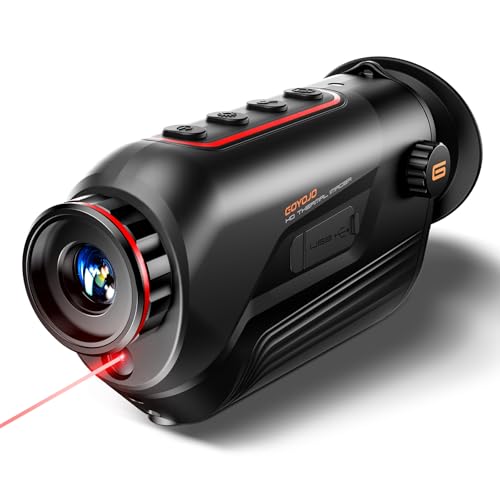
GOYOJO G215 Thermal Imaging Monocular for Hunting, 256x192 (50Hz) Infrared Night Vision Telescope, 15mm Focal Lens Thermal Scopes for Outdoor Night Vision Camera Telescope
As an Amazon Associate we earn from qualifying purchases. Product prices and availability are accurate as of the date/time indicated.

C2 Thermal Imaging Monocular, 256x192 HD (12μm) Handheld Thermal Scope with 8X Zoom, Hot Spot Tracking, Video Recording, Portable Thermal Monocular for Hunting, Wildlife Observation, Outdoor
As an Amazon Associate we earn from qualifying purchases. Product prices and availability are accurate as of the date/time indicated.
Prices shown are approximate and for reference only. Prices change often, so please check the current price on Amazon before you buy.
Best Thermal Monocular for Snowy Hunting Reviewed for 2026
1. Pulsar Axion 2 XQ35 Pro Thermal Monocular: Best Overall Thermal Monocular for Snowy Hunting
The Pulsar Axion 2 XQ35 Pro is our top pick for most snowy hunters because it is clear, it is reliable, and its 640×512 resolution in many listings is excellent for snowy hunting. Its 1300m detection range in many listings is the longest in this guide alongside InfiRay, its price in the $2000 to $2500 range is premium for a Pulsar monocular, and its Pulsar quality is excellent.
For snowy hunting, the Axion 2 XQ35 Pro is practical because its thermal image is clear in snow, its design is durable in cold, and its battery lasts long. The main trade-off is price: it costs more than an ATN OTS LT 160, although its resolution justifies it for a serious snowy hunter.
Choose it if you want a Pulsar monocular, you want 640×512 resolution, and you hunt in snow. Check local laws before you hunt.
2. Hikmicro Lynx Pro LH25 Thermal Monocular: Best Hikmicro Thermal Monocular for Snowy Hunting
The Hikmicro Lynx Pro LH25 is a 384×288 thermal monocular with 1200m detection range, priced in the $1500 to $2000 range. Its 384×288 resolution is good, its 1200m detection is long, and its Hikmicro quality is excellent. Its price is lower than a Pulsar Axion 2 XQ35 Pro.
For snowy hunting, the Lynx Pro LH25 is useful because its thermal image is clear, its design is compact, and its battery lasts long. The trade-off is resolution: at 384×288 it is less detailed than a 640×512 monocular, although its price justifies it.
Choose it if you want a Hikmicro monocular, you want 1200m detection, and you hunt in snow.
3. AGM Asp-Micro TM160 Thermal Monocular: Best AGM Thermal Monocular for Snowy Hunting
The AGM Asp-Micro TM160 is a 160×120 thermal monocular with 800m detection range, priced in the $1000 to $1500 range. Its 160×120 resolution is basic, its 800m detection is good, and its AGM quality is good. Its price is lower than a Hikmicro Lynx Pro.
For snowy hunting, the Asp-Micro TM160 is practical because its size is very compact, its price is reasonable, and its design is durable. The trade-off is resolution: at 160×120 it is less clear than a 384×288 monocular, although its compact size justifies it for a hunter who wants a pocket monocular.
Choose it if you want an AGM monocular, you want a compact monocular, and you hunt in snow.
4. ATN OTS LT 160 Thermal Monocular: Best ATN Thermal Monocular for Snowy Hunting
The ATN OTS LT 160 is a 160×120 thermal monocular with 700m detection range, priced in the $800 to $1000 range, which is the lowest price in this guide. Its 160×120 resolution is basic, its 700m detection is good for a close range, and its ATN quality is good. Its price is low for a thermal monocular.
For snowy hunting, the OTS LT 160 is useful because its price is very low, its size is compact, and its design is simple. The trade-off is detection range: at 700m it is the shortest in this guide, although its price justifies it for a budget snowy hunter.
Choose it if you want an ATN monocular, you want a low price, and you hunt in snow.
5. InfiRay E3 Max V2 Thermal Monocular: Best InfiRay Thermal Monocular for Snowy Hunting
The InfiRay E3 Max V2 is a 384×288 thermal monocular with 1300m detection range, priced in the $2000 to $2500 range. Its 384×288 resolution is good, its 1300m detection is the longest in this guide alongside Pulsar, and its InfiRay quality is excellent. Its price is the same as a Pulsar Axion 2 XQ35 Pro.
For snowy hunting, the E3 Max V2 is practical because its detection range is very long, its thermal image is clear, and its design is durable. The trade-off is price: it costs more than a Hikmicro Lynx Pro, although its detection range justifies it.
Choose it if you want an InfiRay monocular, you want 1300m detection, and you hunt in snow.
6. AGM Taipan V2 TM19-384 Thermal Monocular: Best AGM Taipan Thermal Monocular for Snowy Hunting
The AGM Taipan V2 TM19-384 is a 384×288 thermal monocular with 900m detection range, priced in the $1500 to $2000 range. Its 384×288 resolution is good, its 900m detection is good, and its AGM quality is excellent. Its price is the same as a Hikmicro Lynx Pro.
For snowy hunting, the Taipan V2 TM19-384 is useful because its thermal image is clear, its design is durable, and its battery lasts long. The trade-off is detection range: at 900m it is shorter than 1300m, although its quality justifies it.
Choose it if you want an AGM monocular, you want 384×288 resolution, and you hunt in snow.
Buying Guide: How to Choose the Best Thermal Monocular for Snowy Hunting
The best thermal monocular for snowy hunting depends on your snow conditions, your hunting distance, and your budget. Start with resolution and detection range, then compare battery life, cold resistance, and price. A monocular that is clear in snow, is reliable in cold, and fits your hunting is better than a monocular with the lowest price that is blurry in snow.
Resolution, Detection Range, and Thermal Monocular Safety
Resolution matters for a snowy hunting thermal monocular, because it determines how clear your thermal image is. A 160×120 resolution in many listings, like AGM Asp-Micro and ATN OTS LT models, is basic for a close range, while a 384×288 resolution, like Hikmicro, InfiRay, and AGM Taipan models, is good for most snowy hunting, and a 640×512 resolution, like Pulsar Axion 2 XQ35 Pro, is best for detailed images.
Detection range matters because it determines how far you can detect animals in snow. A 700m to 900m detection range in many listings, like ATN, AGM Asp-Micro, and AGM Taipan models, is good for a close range, while a 1200m to 1300m detection range, like Hikmicro, Pulsar, and InfiRay models, is best for a wide snowy field.
For safety, check local laws for hunting and night hunting, because night hunting is restricted in some areas and for some species. Thermal detection is not identification, so always identify your target before shooting. Remove batteries, dry your monocular fully, and never store it wet.
Price, Brand, and What You Actually Need
Price depends on brand, resolution, and detection range. A monocular in the $800 to $1500 range, like the ATN OTS LT 160 and AGM Asp-Micro TM160, is a good starting point for most snowy hunters. A monocular in the $1500 to $2500 range, like the Hikmicro Lynx Pro, AGM Taipan V2, Pulsar Axion 2 XQ35 Pro, and InfiRay E3 Max V2, is best if you want better resolution and detection range.
Brand also matters. A monocular from a trusted brand in this guide, like Pulsar, Hikmicro, AGM, ATN, and InfiRay, will be more reliable than an unbranded monocular with similar specifications on paper. For most snowy hunters, the Pulsar Axion 2 XQ35 Pro is the best value for a premium thermal monocular, the Hikmicro Lynx Pro LH25 is the best choice for a mid-range monocular, and the ATN OTS LT 160 is the best choice for a low price. Do not buy a thermal monocular based on price alone. A monocular that is clear in snow, is reliable in cold, and fits your hunting is worth the investment.
Best Thermal Monocular for Snowy Hunting: FAQ
What is the best thermal monocular for snowy hunting?
For most snowy hunters, the Pulsar Axion 2 XQ35 Pro Thermal Monocular is the best overall thermal monocular for snowy hunting because it offers 640×512 resolution, 1300m detection range, and a good price in the $2000 to $2500 range. If you want a mid-range monocular, the Hikmicro Lynx Pro LH25 is a good choice at $1500 to $2000. If you want a low price, the ATN OTS LT 160 is a practical option at $800 to $1000.
Does snow affect thermal imaging?
Does snow affect thermal imaging depends on conditions, but in general, yes in some cases, because snow in many guides can be cold and can make thermal contrast lower. For best results, use a high-resolution monocular, use White Hot mode first in many guides, and practice before a real hunt.
What resolution is best for a thermal monocular for snowy hunting?
What resolution is best for a thermal monocular for snowy hunting depends on your hunting, but in general, 384×288 in many guides is good for most snowy hunting, and 640×512 is best for detailed images. For best results, choose a 384×288 monocular if you hunt at medium range, and choose a 640×512 monocular if you want the clearest image.
How do I choose a thermal monocular for snowy hunting?
Choose a thermal monocular for snowy hunting by starting with resolution and detection range, then checking battery life, cold resistance, and price. Pick a monocular that is clear in snow, is reliable in cold, and fits your hunting. Always check local laws, always identify your target, and never store your monocular wet.
FAQ
What is the best thermal monocular for snowy hunting?
Does snow affect thermal imaging?
What resolution is best for a thermal monocular for snowy hunting?
How do I choose a thermal monocular for snowy hunting?
Related guides
- Best Rangefinder for Windy Hunting: 6 Best Rangefinder for Windy Hunting Picks in 2026
- Best Premium Spotting Scope Compact Travel: 6 Best Premium Spotting Scope Compact Travel Picks in 2026
- Best Rangefinder Shooting in 2026: 6 Accurate Rangefinders for Hunting and Long-Range Shooting
- Binoculars With Rangefinder vs Separate Rangefinder Hunting in 2026: How to Pick Binoculars With Rangefinder vs Separate Rangefinder for Hunting That Gives Fast Ranging, Clear Views, and Works for Your Hunt
More from Amazon
Programs that pair well with the guide above. Offers and eligibility are set by Amazon and may change.
Free shipping on eligible items, Prime Video and more. Eligible new members can start with a free trial.
Start a Prime free trialAudiobooks and podcasts to listen to on the go. Eligible new members can start with a free trial.
Try Audible freeAd-free music streaming. Eligible new subscribers can start with a free trial.
Try Music Unlimited freeA free business account with business pricing and bulk-buying tools for work, shop or home office.
Create a business accountAs an Amazon Associate we earn from qualifying purchases.

Write Your Review
No reviews yet. Be the first to share your experience!