
What's inside
As an Amazon Associate I earn from qualifying purchases. This post may contain affiliate links at no extra cost to you.
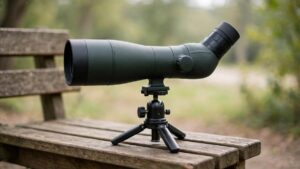
Tripod head vs tripod legs spotting scope is a choice every birder and wildlife watcher faces when they want a stable support for a spotting scope. A tripod head is the part that holds the scope and lets you pan and tilt smoothly, while tripod legs are the part that stands on the ground and supports the weight. A good head gives smooth movement for following a bird, while good legs give stability in wind and on uneven ground. Neither part works well without the other, and the best setup depends on your scope’s weight, your height, and where you watch birds.
This guide compares real, currently sold tripod heads and tripod legs for spotting scopes side by side. Every model below is widely available, is made for spotting scopes, cameras, and optics, and has a track record with birders who use it for shorebirds, waterfowl, and raptors. We compare type, material, load capacity, weight, and price range, then explain how to choose between a tripod head vs tripod legs spotting scope setup for your scope, your tripod, and your budget.
At SharpSightOptics.org, we focus on spotting scopes, thermal and night vision monoculars, rangefinders, tripods, and digiscoping. The tripod heads and legs in this guide are intended for lawful birdwatching and wildlife observation, with safe use, proper handling, and regular maintenance. Always check that a head fits your scope’s mounting plate and that legs can support your scope’s weight before you buy. Never look directly at the Sun through a spotting scope, and keep a respectful distance from nests and sensitive species.
Disclosure: As an affiliate site, SharpSightOptics.org may earn a commission from qualifying purchases made through links on this page, at no extra cost to you. Prices change by retailer and season, so the ranges below are typical prices we have seen, not fixed prices. Load capacity, weight, and specifications are based on manufacturer listings and vary by model, so check the exact listing before you buy. Always verify a head’s mounting type and a leg set’s load capacity before you buy.
Tripod Head vs Tripod Legs Spotting Scope at a Glance: Comparison Table
Use this table to compare tripod heads and tripod legs for spotting scopes side by side. Type, material, load capacity, weight, and best use matter most, so compare those first, then check price and rating. Each row is labelled as Head or Legs, so you can see both sides of the comparison.
| Tripod Head or Legs Model | Type | Material | Load Capacity | Weight | Best Use | Typical Price Range | Rating |
|---|---|---|---|---|---|---|---|
| Manfrotto MVH500AH Fluid Video Head | Head | Aluminium | 11 lbs | 22 oz | Best overall tripod head for spotting scopes | $150 – $180 | 4.7 / 5 |
| Sirui VA-5X Fluid Head | Head | Aluminium | 6.6 lbs | 21 oz | Best lightweight tripod head for spotting scopes | $100 – $130 | 4.6 / 5 |
| Vortex Ridgeview Pan Head | Head | Aluminium | 11 lbs | 18 oz | Best pan tripod head for spotting scopes | $80 – $100 | 4.6 / 5 |
| Manfrotto MT055XPRO3 Tripod Legs | Legs | Aluminium | 19.8 lbs | 5.5 lbs | Best tripod legs for spotting scopes | $200 – $250 | 4.7 / 5 |
| Vortex Summit Carbon II Tripod Legs | Legs | Carbon fibre | 22 lbs | 3.4 lbs | Best carbon tripod legs for spotting scopes | $200 – $250 | 4.7 / 5 |
| Sirui T-024SK Carbon Fibre Tripod Legs | Legs | Carbon fibre | 26 lbs | 2.2 lbs | Best lightweight tripod legs for spotting scopes | $150 – $200 | 4.6 / 5 |
Tripod Head vs Tripod Legs Spotting Scope Reviewed for 2026
1. Manfrotto MVH500AH Fluid Video Head – Head – Best Overall Tripod Head for Spotting Scopes
The Manfrotto MVH500AH Fluid Video Head is our top pick on the head side because it offers smooth fluid panning and tilting for following birds, with a load capacity of 11 pounds that is enough for most spotting scopes. Its fluid cartridge gives smooth, controlled movement, which helps you follow a bird in flight or a shorebird walking along a beach without jerky motion. Its quick-release plate lets you attach and detach a scope quickly, and its pan handle gives precise control.
The MVH500AH is made from aluminium, which is durable and is resistant to wear, and its 22-ounce weight is manageable for a fluid head. Its 11-pound load capacity is enough for an 85mm spotting scope, which typically weighs 4 to 5 pounds with a head, and its fluid movement is a plus for birding, where smooth panning matters. Its Manfrotto mounting is standard, which means it fits most tripod legs with a 3/8-inch screw.
At a typical price in the $150 to $180 range, it is the most expensive head here, but its smooth fluid movement justifies the cost for serious birders. It is a popular choice for birdwatching, for wildlife observation, and for digiscoping.
For most birders who want a tripod head for spotting scopes, the Manfrotto MVH500AH is the best all-round choice. It is especially useful for following birds, for smooth panning, and for birders who want a fluid head.
2. Sirui VA-5X Fluid Head – Head – Best Lightweight Tripod Head for Spotting Scopes
The Sirui VA-5X Fluid Head is a good choice for birders who want a lightweight fluid head that is easy to carry. It has a load capacity of 6.6 pounds, a weight of 21 ounces, and a fluid cartridge that gives smooth panning and tilting, though its load capacity is lower than the Manfrotto MVH500AH, so it is best for smaller scopes up to 65mm. Its compact design is a plus for hiking birders who want a light head.
The VA-5X is made from aluminium, which is durable and is lightweight, and its quick-release plate lets you attach a scope quickly. Its fluid movement is smooth for its size, and its pan handle is adjustable for comfort. Its 6.6-pound load capacity is enough for a 65mm scope, but it may not be enough for a heavy 85mm scope with a large eyepiece.
At a typical price in the $100 to $130 range, it is cheaper than the Manfrotto MVH500AH, which makes it a good value for a lightweight fluid head. It is a popular choice for hiking, for travel, and for birders with a smaller scope.
If you want a lightweight tripod head for spotting scopes, the Sirui VA-5X is a strong choice. It is especially useful for hiking, for travel, and for birders with a compact scope.
3. Vortex Ridgeview Pan Head – Head – Best Pan Tripod Head for Spotting Scopes
The Vortex Ridgeview Pan Head is a good choice for birders who want a simple pan head that is easy to use. It has a load capacity of 11 pounds, a weight of 18 ounces, and a pan-and-tilt design that lets you move a scope smoothly in both directions. Its pan head is simpler than a fluid head, as it does not have a fluid cartridge, but it is still smooth enough for most birding, and its Vortex branding matches Vortex scopes.
The Ridgeview Pan Head is made from aluminium, which is durable and is lightweight, and its quick-release plate lets you attach a scope quickly. Its 11-pound load capacity is enough for most spotting scopes, including an 85mm scope, and its 18-ounce weight is the lightest head here, which makes it easy to carry.
At a typical price in the $80 to $100 range, it is the cheapest head here, which makes it a good value for a pan head. It is a popular choice for birdwatching, for hunting, and for Vortex scope owners.
If you want a pan tripod head for spotting scopes, the Vortex Ridgeview Pan Head is a practical choice. It is especially useful for simple panning, for Vortex scopes, and for birders who want a light, affordable head.
4. Manfrotto MT055XPRO3 Tripod Legs – Legs – Best Tripod Legs for Spotting Scopes
The Manfrotto MT055XPRO3 Tripod Legs are our top pick on the legs side because they offer a sturdy aluminium construction, a load capacity of 19.8 pounds, and a height that is suitable for most birders. Their aluminium legs are durable and are resistant to wear, and their quick-power locks let you adjust leg length quickly. Their 5.5-pound weight is heavier than a carbon fibre tripod, but their stability justifies the weight for a fixed location.
The MT055XPRO3 has three leg sections, a centre column that can be set horizontally, and a maximum height that is tall enough for most adults to use a scope without bending. Its 19.8-pound load capacity is more than enough for a spotting scope and a head, which typically weigh 6 to 8 pounds together, and its stability in wind is a plus for shorebirding.
At a typical price in the $200 to $250 range for legs only, it costs more than a carbon fibre travel tripod, but its sturdiness justifies the cost for birders who want a stable tripod. It is a popular choice for birdwatching, for photography, and for wildlife observation.
For most birders who want tripod legs for spotting scopes, the Manfrotto MT055XPRO3 is the best all-round choice. It is especially useful for stable viewing, for tall birders, and for birders who want a sturdy aluminium tripod.
5. Vortex Summit Carbon II Tripod Legs – Legs – Best Carbon Tripod Legs for Spotting Scopes
The Vortex Summit Carbon II Tripod Legs are a good choice for birders who want a carbon fibre tripod that is lighter than aluminium. They have a load capacity of 22 pounds, a weight of 3.4 pounds, and a carbon fibre construction that is strong and light. Their 3.4-pound weight is much lighter than the Manfrotto aluminium legs, which makes them easier to carry on a hike, and their 22-pound load capacity is enough for a heavy spotting scope.
The Summit Carbon II has three leg sections, twist locks, and a maximum height that is suitable for most birders. Its carbon fibre legs are durable and are resistant to temperature changes, which is useful in cold weather. Its Vortex branding matches Vortex scopes, which is a plus for Vortex owners.
At a typical price in the $200 to $250 range for legs only, it is similar in price to the Manfrotto aluminium legs, which makes it a good choice for a carbon fibre tripod. It is a popular choice for hiking, for birding, and for travel with a scope.
If you want carbon tripod legs for spotting scopes, the Vortex Summit Carbon II is a strong choice. It is especially useful for hiking, for travel, and for birders who want a light, stable tripod.
6. Sirui T-024SK Carbon Fibre Tripod Legs – Legs – Best Lightweight Tripod Legs for Spotting Scopes
The Sirui T-024SK Carbon Fibre Tripod Legs are a good choice for birders who want the lightest legs in this guide. They have a load capacity of 26 pounds, a weight of only 2.2 pounds, and a carbon fibre construction that is very light for its load capacity. Their 2.2-pound weight is the lightest here, which makes them ideal for backpacking and for hiking with a scope.
The T-024SK has four leg sections, twist locks, and a compact folded length that fits in a backpack. Its 26-pound load capacity is the highest here, despite its light weight, which is a plus for a heavy scope. Its carbon fibre legs are durable, though its four-section design means it has more joints that can wear over time.
At a typical price in the $150 to $200 range for legs only, it is the cheapest legs here, which makes it a good value for a lightweight carbon tripod. It is a popular choice for hiking, for travel, and for backpackers with a scope.
If you want lightweight tripod legs for spotting scopes, the Sirui T-024SK is a practical choice. It is especially useful for hiking, for backpacking, and for birders who want the lightest tripod.
Buying Guide: How to Choose Tripod Head vs Tripod Legs Spotting Scope
The best tripod head vs tripod legs spotting scope setup for you depends on your scope’s weight, your height, and where you watch birds. Start by thinking about your scope, then compare head type, leg material, and height.
Head Type, Fluid vs Pan, and Smooth Movement: Following Birds
Head type affects how smoothly you can follow a bird. A fluid head, like the Manfrotto MVH500AH and Sirui VA-5X, has a fluid cartridge that gives smooth, controlled panning and tilting, which is ideal for following a bird in flight or a shorebird walking. A pan head, like the Vortex Ridgeview, has a simpler pan-and-tilt design that is still smooth enough for most birding, but it may not be as smooth as a fluid head for fast movement.
For birding, a fluid head is better, as it lets you follow a bird without jerky motion that can make it hard to keep the bird in view. A pan head is better if you want a simple, light head for static viewing, as it is easier to use and is cheaper. A ball head, which is not in this guide, is not ideal for a spotting scope, as it is hard to pan smoothly with a ball head.
Choose a fluid head if you follow birds in flight or if you digiscope, and choose a pan head if you mainly watch static birds and want a simple head. A fluid head’s load capacity should be at least twice your scope’s weight for stability.
Leg Material, Aluminium vs Carbon Fibre, and Weight: Stability vs Portability
Leg material affects weight, stability, and price. Aluminium legs, like the Manfrotto MT055XPRO3, are heavier at 5.5 pounds, but they are durable, are cheaper than carbon fibre, and are stable in wind. Carbon fibre legs, like the Vortex Summit Carbon II at 3.4 pounds and the Sirui T-024SK at 2.2 pounds, are lighter and are easier to carry, but they cost more and can be more fragile if dropped.
For birding from a fixed location, aluminium legs are better, as weight matters less and stability matters more. For hiking or travel, carbon fibre legs are better, as they save weight and are easier to carry. A carbon fibre tripod is also less cold to touch in winter than an aluminium tripod, which is a plus for cold-weather birding.
Choose aluminium legs if you bird mainly from a car or a fixed location, and choose carbon fibre legs if you hike or travel with a scope. A tripod’s load capacity should be at least twice your scope and head weight combined for stability in wind.
Height, Leg Sections, and Stability: Standing Comfort and Wind
Height affects whether you can use a scope comfortably without bending. A tripod’s maximum height should be tall enough for you to look through a scope at eye level when standing, without bending your neck. A tripod with three leg sections, like the Manfrotto and Vortex, is more stable than a tripod with four sections, like the Sirui T-024SK, as it has fewer joints, but a four-section tripod folds shorter and is easier to pack.
For stability, a tripod with a wider leg spread is better, as it gives a larger base. A tripod with a centre column that can be raised is useful for extra height, but raising the centre column reduces stability, so it is better to use leg length for height and keep the centre column low in wind. A tripod with a hook under the centre column lets you hang a bag for extra stability in wind, which is useful for shorebirding.
Choose a tripod that is tall enough for your height without fully extending the centre column, and choose three sections for stability or four sections for packability. Test a tripod’s height in a store if possible, by standing next to it with a scope mounted.
Compatibility, Mounting Plate, and Quick Release: Fitting Your Scope
Compatibility affects whether a head fits your scope and your legs. Most spotting scopes have a 1/4-inch or 3/8-inch mounting thread, and most heads have a quick-release plate that attaches to that thread. Most legs have a 3/8-inch screw on top for a head, though some have a 1/4-inch screw with an adapter. Check your scope’s mounting thread, your head’s plate, and your legs’ screw before you buy.
For digiscoping, a head with a quick-release plate is essential, as it lets you detach a scope quickly to attach a phone adapter. A head with a long plate is better for balancing a heavy scope, as it lets you slide the scope forward or backward to find its balance point. A leg set with a reversible centre column is useful for low-angle viewing, though it is less important for birding.
Choose a head and legs that use standard 3/8-inch mounting, and check that the head’s load capacity matches your scope’s weight. A head that is too small for a scope will be unstable, while a head that is too large will be heavy and bulky.
Tripod Head vs Tripod Legs Spotting Scope: FAQ
What is the difference between a tripod head and tripod legs for a spotting scope?
The difference between a tripod head and tripod legs for a spotting scope is their function: a tripod head is the part that holds the scope and lets you pan and tilt it smoothly, while tripod legs are the part that stands on the ground and supports the weight of the scope and head. A head like the Manfrotto MVH500AH, Sirui VA-5X, and Vortex Ridgeview Pan Head controls movement, while legs like the Manfrotto MT055XPRO3, Vortex Summit Carbon II, and Sirui T-024SK control stability and height. You need both for a complete tripod: legs without a head cannot hold a scope, and a head without legs cannot stand on its own. A good head gives smooth movement, while good legs give stability.
Do I need a fluid head for a spotting scope?
You do not always need a fluid head for a spotting scope, as a pan head can work well for static birding, but a fluid head is better if you follow birds in flight, if you digiscope, or if you want the smoothest panning. A fluid head like the Manfrotto MVH500AH and Sirui VA-5X has a fluid cartridge that gives smooth, controlled movement, which helps you keep a bird in view without jerky motion. A pan head like the Vortex Ridgeview is simpler and cheaper, and it is enough for watching a bird that is not moving much. Choose a fluid head if you follow moving birds, and choose a pan head if you mainly watch static birds and want a simple head.
Are carbon fibre tripod legs better than aluminium for spotting scopes?
Carbon fibre tripod legs are better than aluminium for spotting scopes if you hike or travel, as they are lighter and easier to carry, with the Vortex Summit Carbon II at 3.4 pounds and the Sirui T-024SK at 2.2 pounds compared to the Manfrotto aluminium legs at 5.5 pounds. Aluminium legs are better if you bird mainly from a fixed location, as they are more durable, are cheaper, and are stable in wind. Carbon fibre is also less cold to touch in winter, which is a plus for cold-weather birding. Choose carbon fibre if you hike, and choose aluminium if you want a sturdy, affordable tripod for a fixed location.
How do I choose a tripod for a spotting scope?
How you choose a tripod for a spotting scope depends on your scope’s weight, your height, and where you watch birds, but in most cases, you should choose a tripod with a load capacity at least twice your scope and head weight, a height that lets you stand comfortably without bending, and a head that gives smooth panning. A scope that weighs 4 to 5 pounds needs a head with at least 8 to 11 pounds of capacity, like the Manfrotto MVH500AH and Vortex Ridgeview, and legs with at least 19 pounds of capacity, like the Manfrotto MT055XPRO3, Vortex Summit Carbon II, and Sirui T-024SK. Choose a fluid head for smooth movement, carbon fibre legs for hiking, and aluminium legs for a fixed location. Test a tripod’s height and stability in a store if possible before you buy.
FAQ
What is the difference between a tripod head and tripod legs for a spotting scope?
Do I need a fluid head for a spotting scope?
Are carbon fibre tripod legs better than aluminium for spotting scopes?
How do I choose a tripod for a spotting scope?
Related guides
- Best Film Rangefinder Camera in 2026: 7 Film Rangefinder Cameras That Give You Sharp Photos, Quiet Shutters, and Classic 35mm Film Photography
- Best Thermal Monocular Battery for Night Hunting 2026: 6 Batteries With Long Runtime, Cold Weather Performance, and Reliable Power for Night Hunting
- Best 2000 Yard Rangefinder in 2026: 7 Rangefinders for 2000 Yard Ranging
- Best Rangefinder Under 300 in 2026: 7 Rangefinders Under $300 That Give You Accurate Distance, Fast Readings, and Clear Displays for Hunting and Golf
More from Amazon
Programs that pair well with the guide above. Offers and eligibility are set by Amazon and may change.
Free shipping on eligible items, Prime Video and more. Eligible new members can start with a free trial.
Start a Prime free trialAudiobooks and podcasts to listen to on the go. Eligible new members can start with a free trial.
Try Audible freeAd-free music streaming. Eligible new subscribers can start with a free trial.
Try Music Unlimited freeA free business account with business pricing and bulk-buying tools for work, shop or home office.
Create a business accountAs an Amazon Associate we earn from qualifying purchases.

Write Your Review
No reviews yet. Be the first to share your experience!